
How Sports Medicine in Podiatry Speeds Recovery

October 12, 2026

Sports medicine in podiatry combines foot and ankle expertise with athletic injury care to diagnose the problem, reduce pain, restore strength and mobility, and prevent reinjury. A podiatrist can create a personalized recovery plan for sprains, tendon injuries, stress fractures, heel pain, and other conditions affecting active people.

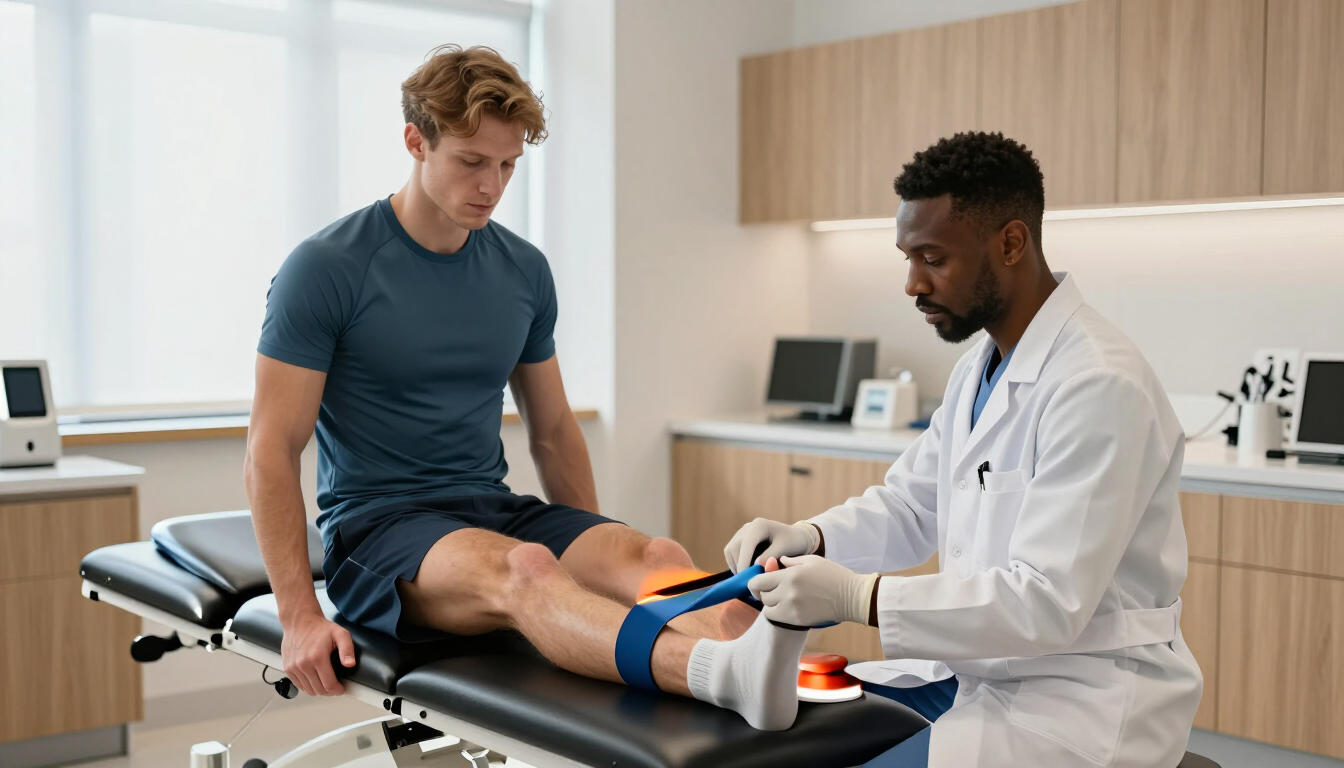
Athlete receiving sports medicine podiatry care

What Does Sports Medicine in Podiatry Treat?

Sports medicine podiatry focuses on injuries and conditions involving the feet, ankles, lower legs, and the movement patterns that connect them. It can help recreational athletes, competitive players, runners, dancers, and anyone whose activity causes recurring pain.

Common concerns include:

  • Ankle sprains and instability
  • Achilles tendonitis and other tendon injuries
  • Plantar fasciitis and heel pain
  • Stress fractures and foot fractures
  • Shin, arch, and overuse pain
  • Sports-related bruising, swelling, and joint inflammation

Podiatrists also evaluate biomechanical factors such as flat feet, high arches, poor alignment, muscle imbalance, and footwear problems. Addressing these contributors is often essential for lasting recovery. Explore the clinic’s guidance on sports injuries and related conditions and treatments .

How Does a Podiatrist Diagnose a Sports Injury?

Diagnosis begins with a detailed discussion about when symptoms started, how the injury occurred, activity levels, training changes, footwear, and previous injuries. The examination may assess swelling, range of motion, strength, balance, gait, and the stability of the foot or ankle.

Depending on the findings, the podiatrist may recommend imaging or additional testing. X-rays can help identify fractures, while other imaging may be useful for tendon, ligament, cartilage, or soft-tissue concerns. A careful diagnosis helps distinguish a mild strain from an injury requiring more structured treatment.

Why Early Evaluation Matters

Continuing to train through pain can allow a small problem to become chronic. Early evaluation may help reduce time away from activity and lower the risk of compensation injuries in the knees, hips, or back. Seek prompt medical attention for severe pain, an inability to bear weight, significant swelling, deformity, numbness, or symptoms that do not improve.

What Treatments Help Athletes Recover?

Treatment depends on the injury, activity goals, health history, and stage of healing. A sports-focused podiatrist may recommend one or more of the following:

  1. Activity modification: Temporarily reducing impact or changing training can protect injured tissue while maintaining safe movement.
  2. Support and protection: Bracing, taping, walking boots, or other supports may stabilize the foot or ankle.
  3. Rehabilitation: Stretching, strengthening, balance exercises, and gradual loading rebuild function.
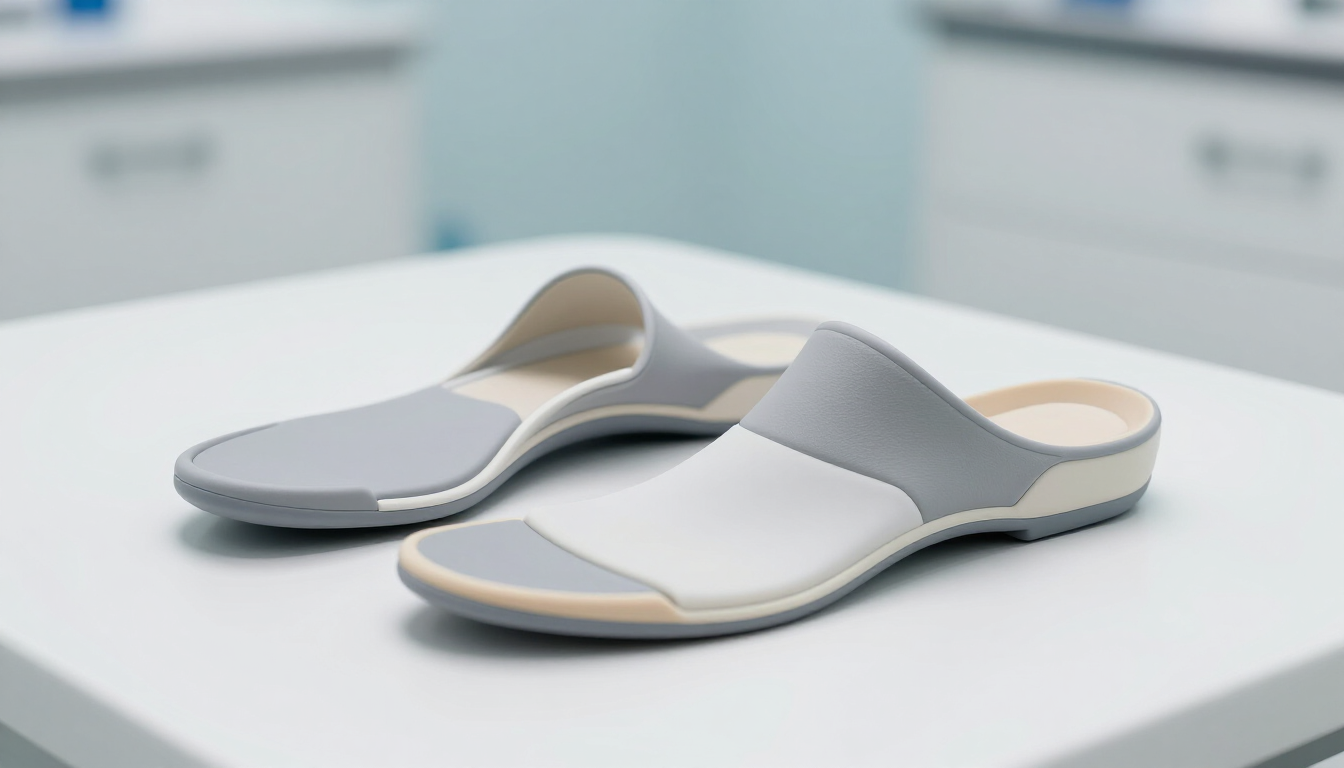
  4. Orthotics and footwear changes: Custom or prefabricated inserts can improve pressure distribution and alignment when appropriate. Learn more about orthotics and footwear .
  5. Advanced care: Selected patients may benefit from treatments such as platelet-rich plasma, shockwave therapy, or surgery when conservative care is not enough.

The goal is not simply to make pain disappear. Effective treatment restores the capacity needed for work, exercise, and sport while addressing why the injury developed.

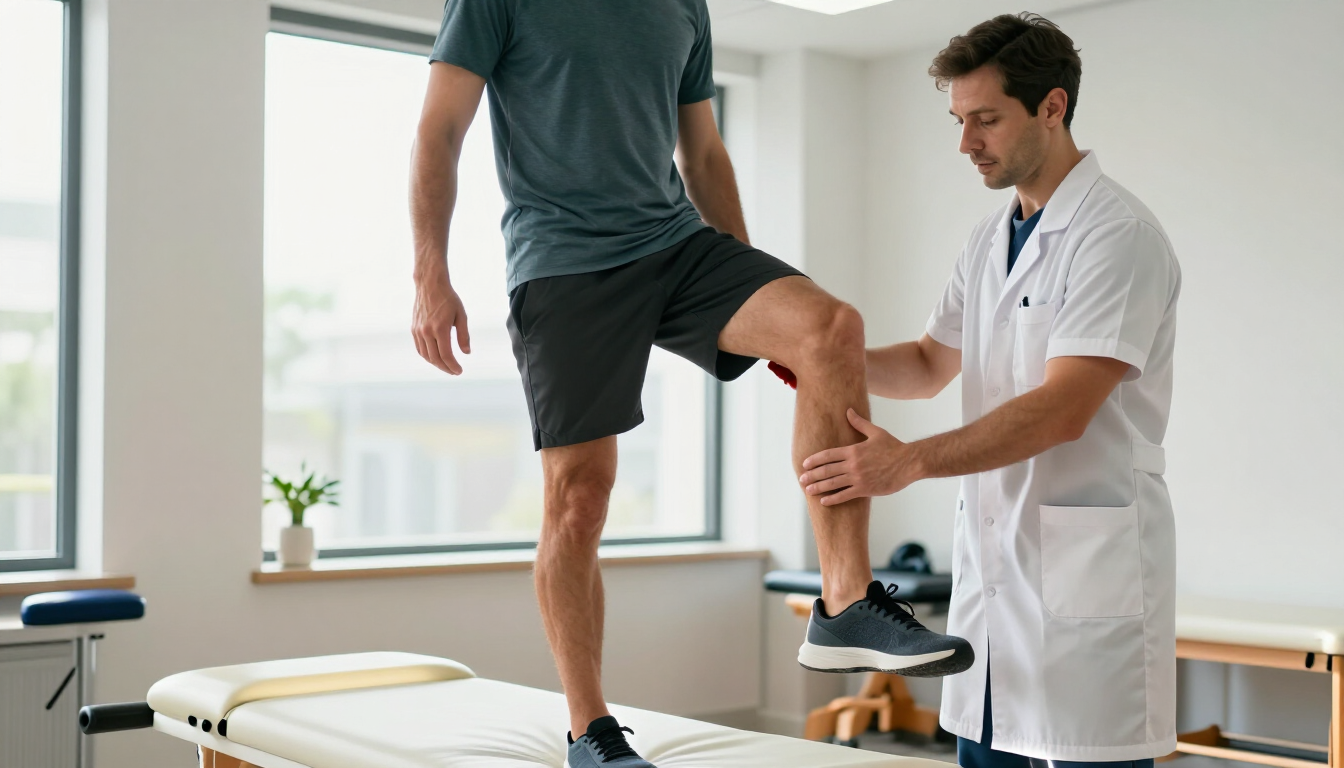
Podiatrist guiding ankle mobility exercises

How Long Does Recovery Take?

Recovery time varies widely. A mild sprain may improve within days or several weeks, while a stress fracture, tendon injury, or surgical condition can require several months. Returning too quickly is a common reason symptoms return.

Your timeline may depend on:

  • Injury severity and location
  • Whether treatment began early
  • General health, sleep, and nutrition
  • Compliance with rehabilitation
  • Sport-specific demands and training intensity

A clinician can use symptoms, strength, motion, balance, and functional testing to guide progression rather than relying only on a calendar.

When Can You Return to Sports?

A safe return is usually gradual. You may begin with low-impact activity, progress to sport-specific drills, and then resume full practice before competition. The injured area should tolerate normal daily movement and progressive exercise without increasing pain or swelling.

A return-to-play plan may include:

  • Walking comfortably without a limp
  • Restored range of motion
  • Comparable strength between sides
  • Controlled jumping, cutting, or running
  • No significant symptoms during or after activity

Follow your provider’s instructions instead of using another athlete’s timeline. If pain increases after training, reduce intensity and contact your care team for guidance.

How Can Sports Injuries Be Prevented?

Prevention starts with manageable training progression and attention to warning signs. Increase distance, speed, or intensity gradually, and schedule recovery between demanding sessions. A proper warm-up, strength training, balance work, and sport-specific conditioning can improve resilience.

Use shoes suited to your activity and replace them when cushioning or support has deteriorated. Address recurring blisters, calluses, nail changes, or discomfort before they interfere with movement. Athletes with diabetes or circulation concerns should be especially attentive to skin checks and professional diabetic foot care .

A Practical Training Checklist

  • Warm up before intense activity.
  • Increase training load gradually.
  • Add strength and balance exercises.
  • Wear activity-appropriate shoes.
  • Rest when pain changes your movement.

Can Advanced Podiatry Treatments Help?

Some injuries respond well to conservative care, while others may require additional options. Platelet-rich plasma, or PRP, uses a concentrated sample of the patient’s blood and may be considered for selected tendon or soft-tissue problems. Read about platelet-rich plasma to understand where it may fit in a treatment discussion.

Surgery is generally considered when there is a significant structural injury, persistent instability, a fracture that will not heal properly, or pain that continues despite appropriate nonsurgical treatment. The right choice depends on examination findings and personal goals.

Common Questions About Sports Medicine Podiatry

Is a podiatrist appropriate for a sports injury?

Yes. Podiatrists specialize in the foot and ankle and can diagnose, treat, and help prevent many athletic injuries. They can also coordinate rehabilitation or referrals when an injury involves other structures.

Should I see a podiatrist for recurring ankle sprains?

Yes. Repeated sprains may indicate ligament instability, weakness, limited mobility, or a balance problem. Evaluation can identify contributing factors and create a prevention plan.

Can I exercise with foot or ankle pain?

It depends on the cause and severity. Avoid activities that increase pain, swelling, limping, or instability until you receive appropriate guidance. Low-impact movement may be acceptable for some conditions but not others.

What should I bring to an appointment?

Bring a list of symptoms, relevant medical history, training details, current shoes, prior imaging, and information about treatments already tried. Wearing or bringing your usual athletic footwear may help with evaluation.

Key Takeaways

Sports medicine in podiatry helps active people recover through accurate diagnosis, individualized treatment, rehabilitation, and injury prevention. It is especially useful for persistent pain, recurring sprains, overuse injuries, tendon problems, and suspected stress fractures. Do not ignore symptoms that change how you walk, run, or train. Start by scheduling an evaluation, following a gradual recovery plan, and addressing footwear or movement factors that may contribute to reinjury. For local care, review services or contact the clinic through the new patient resources.

Pair of high-quality custom orthotic inserts designed for foot support and pain relief.
July 21, 2026
Discover the essential benefits of custom orthotics for foot pain relief, improved mobility, and long-term joint health in this comprehensive guide.
A person applying sunscreen to their feet at the beach.
June 18, 2026
Stay pain-free this summer! Discover essential summer foot care tips, from preventing fungal infections to choosing the right footwear for hot weather and travel.

Modern podiatry examination room for a new patient appointment.
April 30, 2026
Learn what happens during your first podiatry appointment, from medical history reviews to physical exams and treatment plans. Prepare for your visit with our expert guide.
Senior couple walking comfortably with supportive footwear and custom orthotics.
April 17, 2026
Learn how to choose the best footwear for seniors and discover the clinical benefits of custom orthotics for improving stability and reducing foot pain.
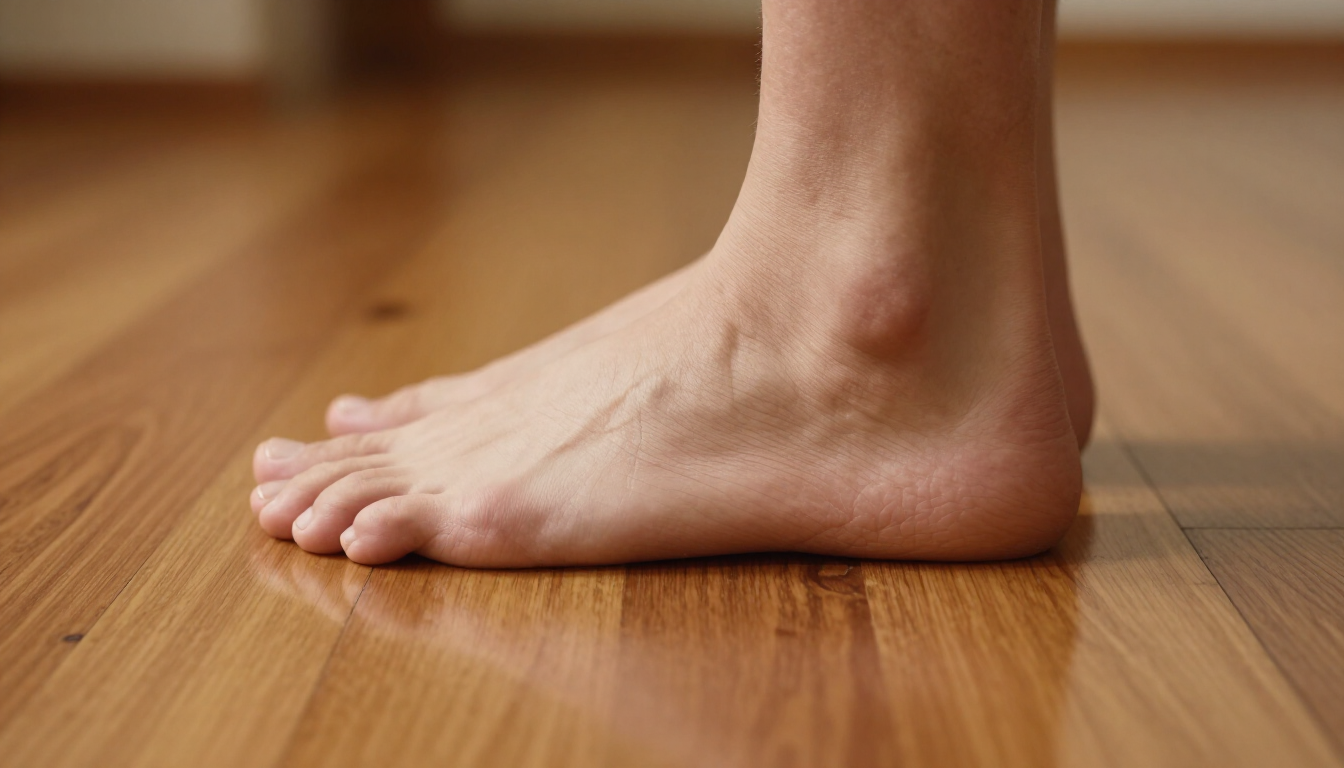
A close up of a foot showing the heel area where pain occurs.
By Austin Hoffman • April 13, 2026
Discover the leading causes of heel pain and 5 effective ways to find relief. Learn about plantar fasciitis, heel spurs, and professional podiatry treatments available in Virginia and West Virginia.

By VIV Builder • April 9, 2026
Stay active and pain-free this Foot Health Awareness Month. Learn about heel pain, orthotics, diabetic foot care, and sports injury treatment options.
By VIV Builder • April 1, 2026
Achilles tendonitis can develop gradually, causing heel pain and stiffness that worsens over time. Learn the warning signs and how a podiatrist can help you get back on your feet.
By VIV Builder • March 5, 2026
Ingrown toenails are a common foot condition that can start as a minor irritation and quickly become painful. Learn more about how we can help with ingrown toenails.
By VIV Builder • February 19, 2026
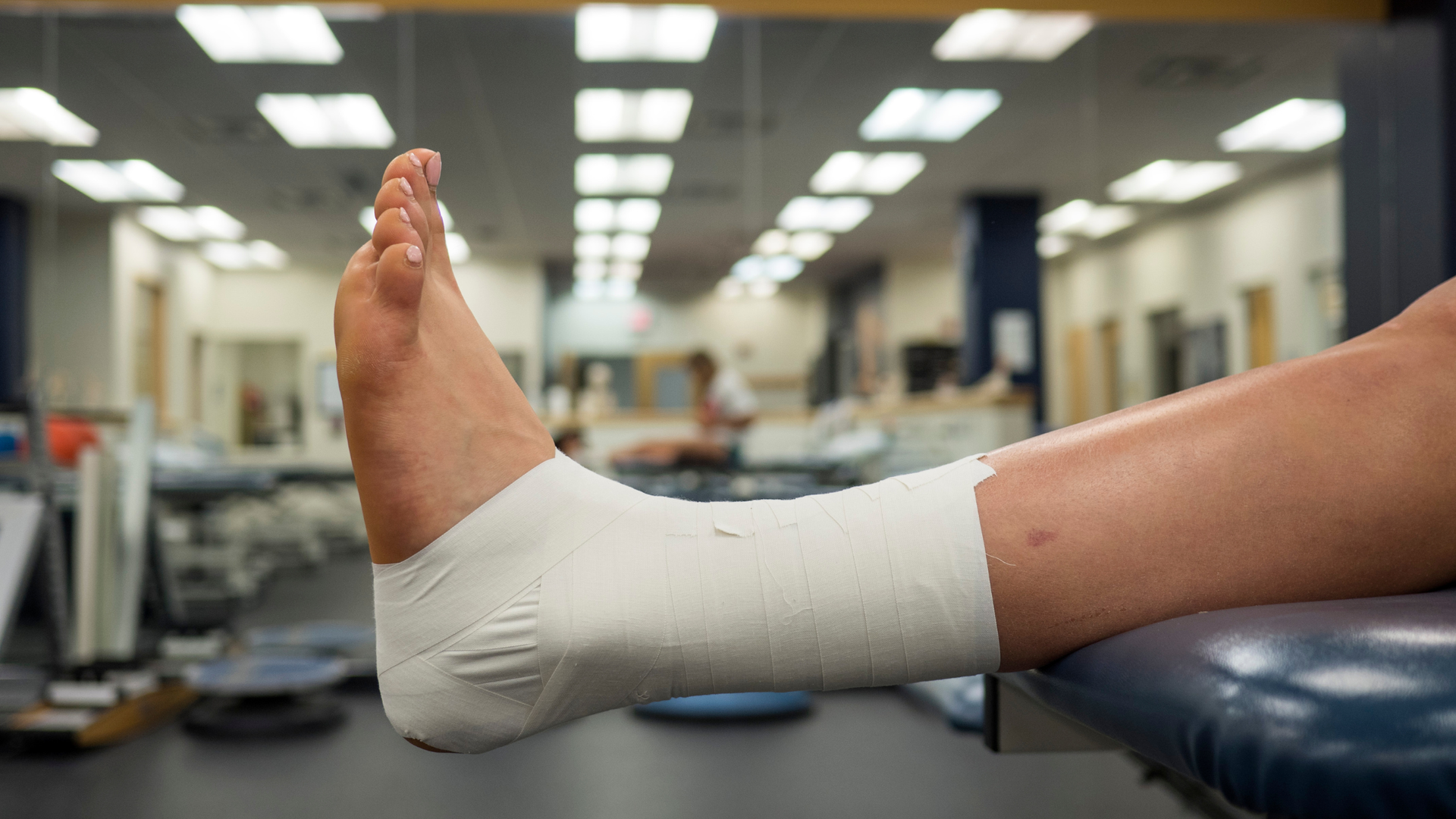
Ankle sprains are one of the most common foot and ankle injuries, yet they're often brushed off as no big deal. The truth is, even a mild sprain deserves proper care.
By VIV Builder • February 5, 2026
Show Your Feet Some Love This February
Show More