
5 Tips for Choosing Senior Footwear & Orthotic Benefits

April 17, 2026

Choosing the right footwear for seniors involves prioritizing stability, cushioning, and a proper fit to prevent falls and manage chronic pain. Custom orthotics further enhance mobility by correcting structural imbalances, providing personalized support that off-the-shelf inserts cannot match for long-term foot health and comfort. Maintaining independence often starts from the ground up, making proactive foot care and professional guidance essential for overall well-being as we age.

Why is proper footwear for seniors so important?

As we age, our feet undergo significant physiological changes. The natural fat pads on the soles of the feet—which act as shock absorbers—gradually thin out. This loss of cushioning can lead to increased discomfort and a higher risk of stress fractures or chronic inflammation. Furthermore, the skin on the feet becomes thinner and more prone to irritation, making poor shoe choices a recipe for blisters, calluses, and ulcers. For many seniors, managing conditions like Arthritis or diabetes means that foot health is not just about comfort; it is a critical component of medical safety. Selecting appropriate footwear for seniors is the first line of defense against these age-related challenges.

Structural changes also occur over time. Ligaments and tendons may lose some of their elasticity, causing the arches to flatten and the feet to widen or lengthen. This shift means that the shoe size you wore for decades may no longer be accurate. When shoes are too tight, they can exacerbate deformities like Bunions or Hammertoes , causing unnecessary pain and limiting your desire to stay active. Conversely, shoes that are too loose fail to provide the stability needed to navigate uneven surfaces, which is a major contributor to slip-and-fall accidents among older adults. By understanding that your feet are dynamic and evolving, you can better appreciate the necessity of professional General Foot Health assessments.

Beyond just the feet, footwear influences the alignment of the entire body. If your shoes do not support your arches correctly, it can lead to a chain reaction of misalignment affecting the ankles, knees, hips, and even the lower back. This is particularly relevant for those suffering from Heel Pain or plantar fasciitis. A well-constructed shoe provides a solid foundation, distributing weight evenly and reducing the strain on joints and soft tissues. In essence, the right pair of shoes acts as a medical device that supports your daily movement and preserves your quality of life.

5 Essential Tips for Choosing the Right Shoes

Finding the perfect pair of shoes requires more than just picking a style you like. It involves a strategic approach to fit, material, and construction. For many seniors, the goal is to find a balance between fashion and therapeutic function. Whether you are looking for walking sneakers or dressier options, these five tips will help ensure your footwear for seniors is up to the task of protecting your health.

  • Shop in the late afternoon: Feet naturally swell throughout the day. By trying on shoes when your feet are at their largest, you ensure they will remain comfortable from morning until night.
  • Prioritize a wide toe box: Look for shoes that allow your toes to wiggle freely. This prevents pressure on Bunions and reduces the risk of developing painful corns or calluses.
  • Check for non-slip outsoles: Rubber soles with good tread are vital for maintaining traction on slippery or polished surfaces, significantly reducing the risk of falls.
  • Look for firm heel counters: A stiff back to the shoe helps lock the heel in place and provides the lateral stability necessary to prevent Ankle Sprains .
  • Opt for removable insoles: This feature is crucial if you plan to use Orthotics , as it allows the custom device to sit flat against the base of the shoe without overcrowding your foot.

When evaluating footwear, consider the fastening mechanism as well. While laces provide the most customized fit, they can be difficult for individuals with limited hand dexterity or arthritis. Velcro straps or high-quality slip-ons with elastic gussets can offer a secure fit without the struggle of tying knots. Additionally, if you have a diagnosis of diabetes, you should inquire about a specialized Diabetic Shoe Program . These programs provide shoes specifically designed to minimize friction and protect sensitive feet from infection or injury, which is a cornerstone of effective Diabetic Foot Care .

It is also worth noting that shoe size is not a fixed number. Always have both feet measured every time you buy new shoes. One foot is often slightly larger than the other, and you should always fit the shoe to the larger foot. If there is a significant discrepancy, a podiatrist can offer solutions to ensure both feet are adequately supported. Remember, a shoe should feel comfortable immediately; do not rely on a "break-in" period, as this is often when the most damage to the skin and joints occurs.

How do custom orthotics improve senior mobility?

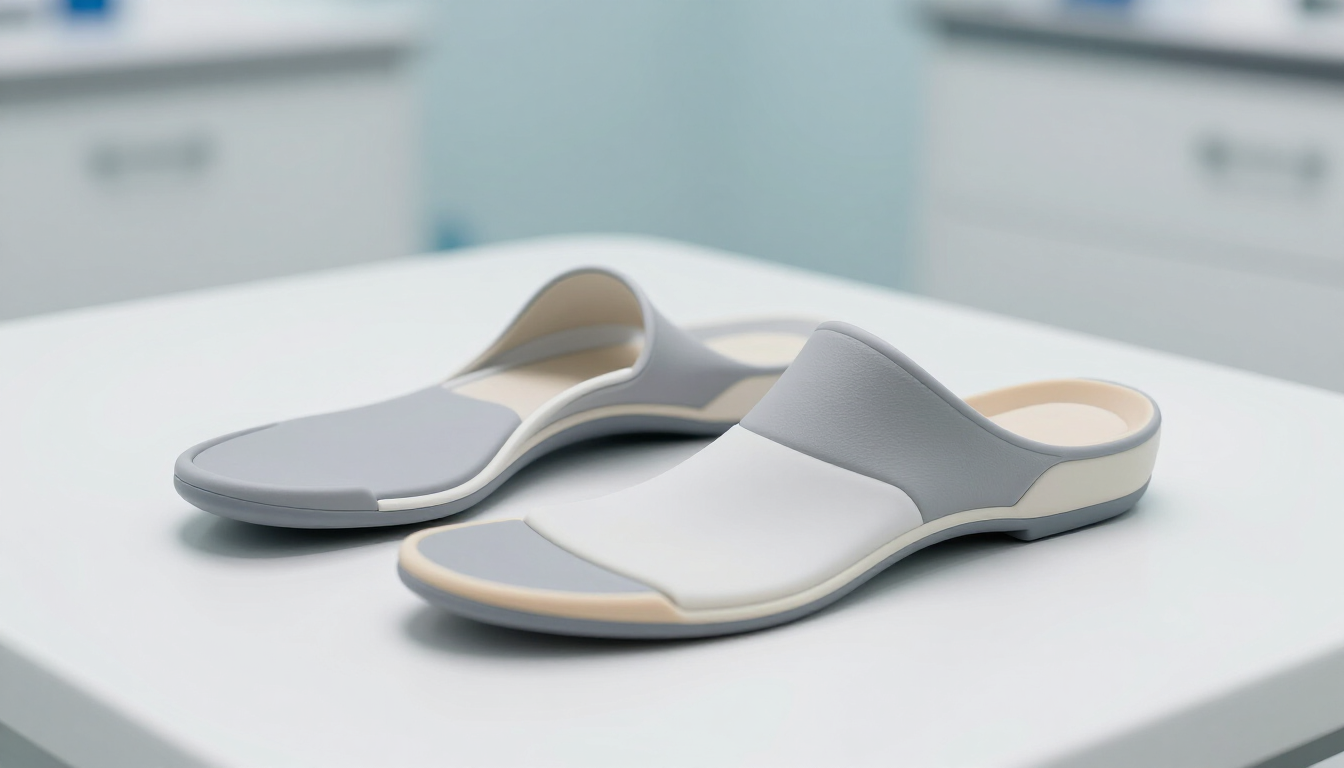
While high-quality shoes provide a good outer shell, Orthotics provide the internal architecture necessary for peak foot function. Unlike generic, over-the-counter inserts that offer a "one-size-fits-all" approach to cushioning, custom orthotics are prescription medical devices tailored to the unique contours and biomechanical needs of your feet. For seniors, these devices are transformative. They work by realigning the structures of the foot, which in turn improves balance and reduces the energy expenditure required to walk. This increased efficiency can make the difference between staying home and enjoying a walk through the neighborhood.

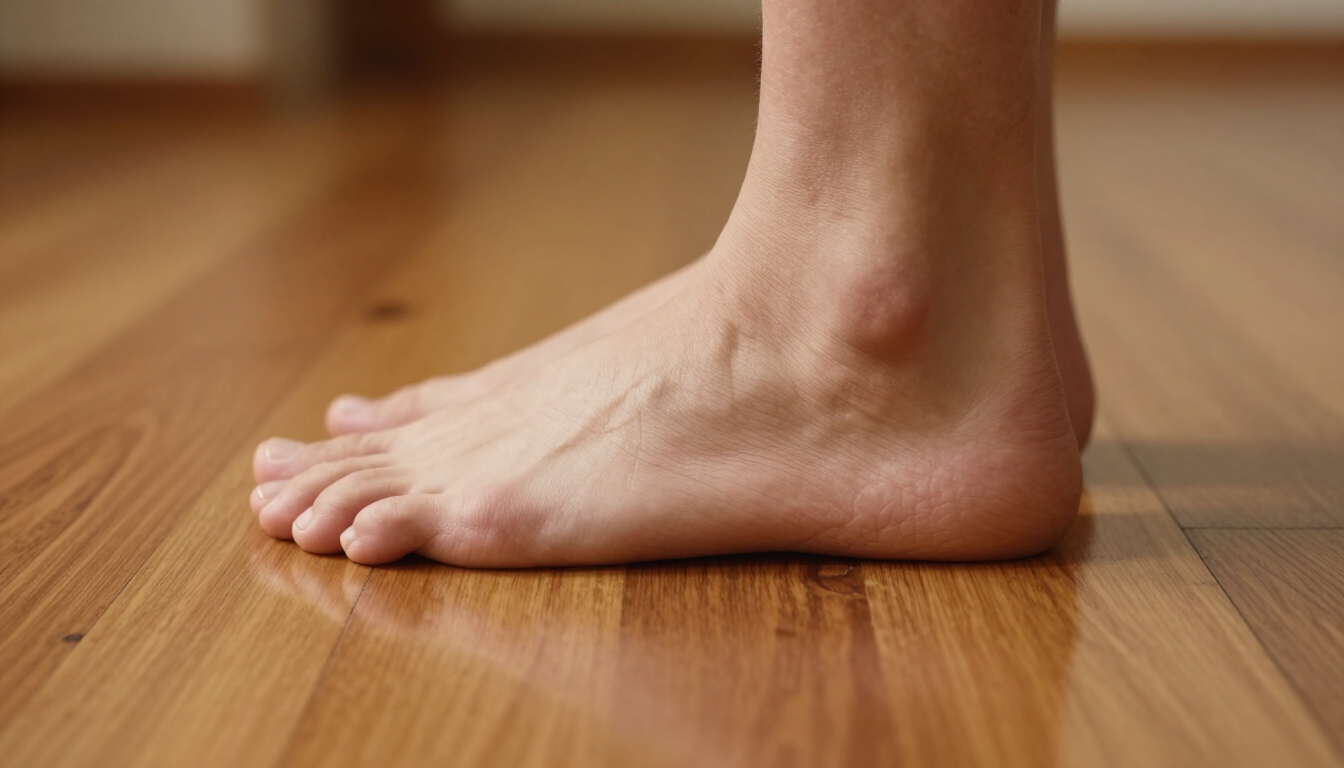
Custom orthotics are particularly effective at managing chronic conditions. For instance, if you suffer from Flat Feet or high arches, orthotics can provide the specific support needed to prevent the arch from collapsing further or to distribute pressure away from sensitive areas. This is often the most effective Foot Pain Treatment because it addresses the root cause of the discomfort rather than just masking the symptoms. By stabilizing the subtalar joint and controlling pronation, orthotics can alleviate the mechanical stress that leads to Plantar Fasciitis and other common inflammatory issues.

  • Enhanced Shock Absorption: They provide targeted padding where the natural fat pad has thinned, protecting bones and joints.
  • Improved Balance and Gait: By correcting structural alignment, they help seniors feel more grounded and steady on their feet.
  • Pressure Redistribution: Orthotics are essential for preventing ulcers in patients with neuropathy by shifting weight away from high-pressure points.
  • Reduced Joint Fatigue: Proper alignment reduces the workload on the ankles, knees, and hips, slowing the progression of Arthritis .
  • Pain Management: They offer significant relief for chronic conditions like Heel Spurs and metatarsalgia.

The process of obtaining custom orthotics begins with a comprehensive evaluation by a specialist. This typically includes a gait analysis and a detailed physical exam. Modern technology allows for highly accurate 3D scans or traditional molds to be taken of the feet. This ensures that the final product fits perfectly into your footwear for seniors and provides the exact level of support required. For those with complex needs, such as a history of Foot & Ankle Fractures , these devices are an indispensable part of long-term recovery and maintenance.

When should you see a podiatrist for custom orthotics?

If you find yourself limiting your activity because of foot discomfort, it is time to seek professional advice. Waiting until the pain becomes unbearable can lead to secondary injuries or a permanent loss of mobility. Seniors should consider a consultation if they notice uneven wear on their shoe soles, experience frequent leg fatigue, or have persistent pain in their arches or heels. A podiatrist can determine if your current footwear is adequate or if you require the advanced intervention of custom orthotics. Often, a combination of the right shoes and a prescription insert can resolve issues that have persisted for years.

Furthermore, for individuals with systemic health issues like poor circulation or diabetes, regular check-ups are mandatory. Monitoring for Leg & Foot Ulcers and ensuring that footwear is not causing hidden damage is vital. A professional can also provide guidance on other advanced therapies if orthotics alone are not enough, such as Shockwave Treatment for chronic heel issues or Platelet Rich Plasma therapy for soft tissue repair. Your feet are your foundation, and investing in expert care is one of the most effective ways to ensure you remain active and independent throughout your senior years.

Conclusion and Next Steps for Better Foot Health

Maintaining foot health as a senior requires a proactive approach to both footwear and professional care. By selecting high-quality shoes and utilizing custom orthotics, you can significantly improve your comfort, balance, and overall mobility. Remember that foot pain is never a "normal" part of aging; it is a signal that your feet need better support or medical attention. Addressing these issues early can prevent complications and keep you moving toward your favorite activities.

  • Evaluate your current shoes: Check for wear, stability, and fit regularly.
  • Prioritize professional measurements: Always measure your feet when buying new footwear.
  • Invest in custom support: Consider orthotics to address structural imbalances and chronic pain.
  • Schedule a consultation: Visit a specialist if you experience persistent discomfort or mobility issues.

If you are ready to take the next step toward pain-free movement, Contact our team today. We specialize in providing comprehensive care, from fitting therapeutic footwear for seniors to designing the perfect custom orthotics for your unique lifestyle.

A close up of a foot showing the heel area where pain occurs.
By Austin Hoffman April 13, 2026
Discover the leading causes of heel pain and 5 effective ways to find relief. Learn about plantar fasciitis, heel spurs, and professional podiatry treatments available in Virginia and West Virginia.

By VIV Builder April 9, 2026
Stay active and pain-free this Foot Health Awareness Month. Learn about heel pain, orthotics, diabetic foot care, and sports injury treatment options.

By VIV Builder April 1, 2026
Achilles tendonitis can develop gradually, causing heel pain and stiffness that worsens over time. Learn the warning signs and how a podiatrist can help you get back on your feet.
By VIV Builder March 5, 2026
Ingrown toenails are a common foot condition that can start as a minor irritation and quickly become painful. Learn more about how we can help with ingrown toenails.
By VIV Builder February 19, 2026
Ankle sprains are one of the most common foot and ankle injuries, yet they're often brushed off as no big deal. The truth is, even a mild sprain deserves proper care.
By VIV Builder February 5, 2026
Show Your Feet Some Love This February
By VIV Builder January 23, 2026
Understanding Podiatry Many people experience foot or ankle pain at some point, but they are not always sure where to turn for care. A podiatrist is a medical doctor who specializes in diagnosing and treating conditions of the foot and ankle. Their goal is to help patients move comfortably, stay active, and avoid pain that interferes with daily life. Podiatrists receive specialized medical training focused entirely on the feet and ankles. Because these areas support the entire body, even minor issues can have a big impact if left untreated. What Conditions Do Podiatrists Treat? Podiatrists treat a wide range of foot and ankle conditions for patients of all ages. From common concerns like heel pain and ingrown toenails to more complex issues such as sports injuries and diabetic foot conditions, podiatrists are trained to handle both routine and advanced care. They also address structural problems, skin and nail conditions, and injuries that affect mobility. By identifying the root cause of foot or ankle pain, podiatrists help patients find long-term relief rather than temporary fixes. When Should You See a Podiatrist? Foot pain is not something you have to live with. If you notice ongoing discomfort, changes in how you walk, or issues with your toenails or skin, it may be time to see a podiatrist. Early care can help prevent small problems from becoming more serious and can reduce recovery time. Patients with diabetes should also see a podiatrist regularly to help prevent complications and maintain foot health. What to Expect During Your Visit During a podiatry appointment, your provider will take time to understand your symptoms and lifestyle. They will examine your feet and ankles and may recommend imaging or other tests if needed. Based on their findings, they will create a personalized treatment plan tailored to your needs. Many podiatry treatments can be done in the office, allowing patients to return to normal activities quickly. Why Foot Health Matters Your feet play a major role in your overall health. Ongoing foot or ankle pain can lead to posture changes and strain on the knees, hips, and lower back. Proper foot care helps keep your entire body moving the way it should. Seeing a podiatrist is an important step in maintaining mobility and preventing future problems. Take the Next Step Toward Better Foot Health If foot or ankle pain is affecting your daily life, a podiatrist can help. With the right care and treatment, many conditions can be managed or resolved. Scheduling an appointment with a podiatrist is a simple step that can make a lasting difference in your comfort and mobility.
By VIV Builder January 9, 2026
A New Year Shouldn’t Start With Pain The beginning of a new year often comes with fresh goals—being more active, feeling healthier, and getting back to routines you enjoy. But heel pain can quickly get in the way. When every step hurts, even small tasks can feel frustrating.  Heel pain is one of the most common foot issues treated by podiatrists. Many people try to ignore it or hope it will go away on its own, but without proper care, heel pain often lingers or gets worse over time. Why Heel Pain Happens Heel pain can develop for several reasons, and it often builds gradually. One of the most common causes is plantar fasciitis, which occurs when the tissue supporting the arch of the foot becomes inflamed. Other causes may include strain on the Achilles tendon, wearing shoes without proper support, or spending long hours on your feet. Pain is often most noticeable in the morning or after long periods of rest. While it may ease as you move around, it tends to return and can worsen without treatment. Common Conditions Linked to Heel Pain While heel pain feels similar for many people, the underlying cause can vary. Some of the most common conditions include: Plantar fasciitis Heel spurs Achilles tendon irritation Overuse or repetitive strain injuries Identifying the exact cause is key to getting the right treatment and long-term relief. Why Early Treatment Matters Ignoring heel pain can lead to changes in the way you walk. Over time, this can place added stress on your ankles, knees, hips, and lower back. What starts as foot pain can turn into discomfort throughout your body. Seeing a podiatrist early can help prevent these issues and reduce recovery time. Most heel pain can be treated without surgery when addressed promptly. How a Podiatrist Can Help A podiatrist specializes in foot and ankle care and can create a treatment plan tailored to your needs. Treatment may include stretching exercises, custom orthotics, footwear guidance, or other therapies designed to reduce pain and inflammation. With the right approach, many patients begin to feel relief and regain mobility. Step Into the New Year With Confidence Heel pain does not have to define your year. With proper care and treatment, you can move more comfortably and get back to doing the things you enjoy. If heel pain is holding you back, schedule a visit with a podiatrist and take the first step toward a healthier, pain-free new year.
Orthotics
By VIV Builder July 17, 2025
Your feet are the foundation of your entire body — when they’re not properly supported, it can lead to pain not just in your feet, but in your ankles, knees, hips, and back, too. That’s where custom orthotics come in!  What Are Custom Orthotics? Custom orthotics are medical-grade shoe inserts that are specifically designed for your unique feet, gait, and needs. Unlike over-the-counter insoles, custom orthotics are crafted based on a detailed assessment by your podiatrist, ensuring the perfect fit and support for your lifestyle. Who Can Benefit from Custom Orthotics? Custom orthotics can help people with: ✅ Flat feet or high arches ✅ Plantar fasciitis or heel pain ✅ Bunions or hammertoes ✅ Arthritis ✅ Sports injuries ✅ Foot, ankle, knee, hip, or lower back pain caused by poor alignment How Do They Work? Custom orthotics work by redistributing pressure and correcting misalignments, which helps your feet function properly and comfortably. They can also help prevent future problems by providing the support you need with every step. Ready to Feel the Difference? If you’re experiencing foot or lower body pain, custom orthotics may be the solution you’ve been looking for. Schedule an appointment today and let our foot specialists help you step into lasting comfort and support!
A woman is walking down a path in a park.
By VIV Builder April 10, 2025
Your feet are the foundation of your body, supporting you with every step you take. We understand that maintaining foot health is crucial to your overall well-being and mobility. In honor of April being National Foot Health Awareness Month, this blog explores why foot health should never be overlooked and provides tips for keeping your feet healthy. Why Foot Health Matters The human foot is a complex structure of 26 bones, 33 joints, and over 100 muscles, tendons, and ligaments. This intricate design allows for movements such as walking, running, and jumping. However, it also means that many things can go wrong if not cared for properly. Poor foot health can lead to a range of issues from simple aches and pains to more severe conditions like plantar fasciitis or diabetic neuropathy. Moreover, problems in your feet can affect other parts of your body, including your knees, hips, and back. Tips for Maintaining Healthy Feet Regular Check-ups: Just like regular dentist visits, regular check-ups with a podiatrist, especially during National Foot Health Awareness Month, can help catch foot problems before they become serious. Proper Footwear: Wear shoes that fit well and provide good support. Different activities require different types of shoes – what you wear for running is not suitable for a day at work. Foot Hygiene: Wash your feet daily, dry them thoroughly to prevent infections, and change socks daily. Stay Active: Regular exercise helps keep your feet and body healthy. Remember to stretch your feet and ankles before and after workouts. Manage Your Weight: Extra weight puts additional pressure on your feet, increasing the risk of foot disorders. Common Foot Conditions and Treatments Plantar Fasciitis: Often felt as heel pain, treated with exercises, proper footwear, and sometimes orthotics. Bunions: Misaligned big toe joints that can become swollen and tender. Treatment options include wearing comfortable shoes, pads, and in severe cases, surgery. Diabetic Foot Care: People with diabetes need to take extra care of their feet as poor blood circulation and nerve damage can lead to serious foot problems. We believe in a proactive approach to foot health. Whether you're an athlete, a busy professional, or enjoying retirement, taking good care of your feet is a step toward a healthier life. Celebrate National Foot Health Awareness Month with us and schedule an appointment today to learn how you can better care for your feet and enhance your overall wellness.
Show More