


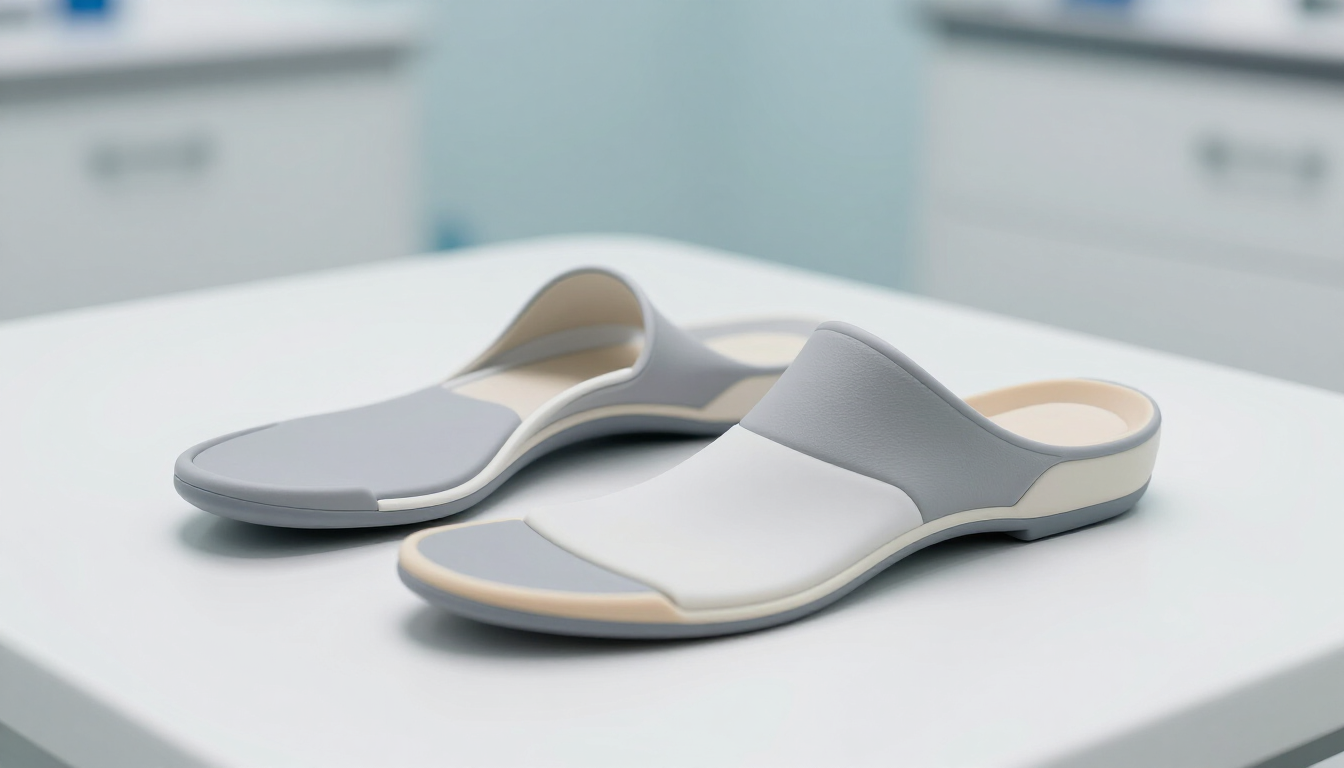
5 Ways to Stop Heel Pain and Walk Comfortably Again

April 13, 2026

Heel pain is a common condition caused by inflammation, repetitive stress, or structural injuries to the foot's connective tissues. Most cases stem from plantar fasciitis , Achilles tendonitis , or heel spurs . Effective treatment requires professional diagnosis followed by custom orthotics , stretching, or advanced therapies like shockwave treatment to restore mobility.

What causes sharp heel pain when walking?

Experiencing a sharp, stabbing sensation in your heel the moment your foot hits the floor can be a debilitating start to your day. This type of acute discomfort is rarely a random occurrence; rather, it is usually the result of mechanical stress placed on the structures of the lower limb. The most frequent culprit is the overstretching or tearing of the plantar fascia—the thick band of tissue that connects your heel bone to your toes. When this tissue becomes inflamed, it loses its ability to absorb the shock of your weight, leading to significant pain.

However, other factors can also contribute to this sensation. Individuals with flat feet or high arches often experience abnormal pressure distribution, which taxes the heel. Furthermore, footwear that lacks adequate arch support or cushioning can exacerbate the problem, especially for those who spend long hours on their feet. Biomechanical issues, such as an abnormal gait or tight calf muscles, pull on the heel and create tension that eventually manifests as pain. In some cases, systemic health issues like arthritis or even sudden weight gain can place extra demand on the heels, leading to chronic discomfort that limits daily activities. Understanding the specific root cause is the first step toward finding a lasting solution for heel pain .

Is my heel pain caused by plantar fasciitis?

If your pain is most intense during your first few steps in the morning or after sitting for a long period, there is a high probability that you are dealing with plantar fasciitis . This condition is characterized by the inflammation of the plantar fascia ligament. During sleep, your feet often rest in a pointed position, allowing the fascia to contract. When you stand up, the sudden stretch of this contracted tissue causes those characteristic sharp pains.

To determine if this is your specific issue, look for localized tenderness at the bottom of the heel bone. Unlike a bruise that hurts upon any contact, plantar fasciitis often feels like a deep ache that improves slightly as you walk and the tissue warms up, only to return after prolonged standing or when you stand up after a rest. It is important to distinguish this from other conditions like heel spurs —bony outgrowths on the underside of the heel bone—which often co-occur with plantar fasciitis but are not always the primary source of pain. While many people believe the spur is the cause, it is usually the inflammation of the surrounding soft tissue that creates the misery. Professional evaluation is necessary to confirm the diagnosis and ensure that the treatment plan targets the actual source of the inflammation rather than just the symptoms.

Common Symptoms of Heel Conditions

Identifying the specific nature of your discomfort is crucial for effective treatment. While pain is the most obvious indicator, the way that pain presents can tell a podiatrist a lot about what is happening internally. Common symptoms associated with various heel conditions include:

  • Sharp pain in the morning during the first few steps.
  • Dull, constant aching after a long day of standing.
  • Swelling or inflammation around the back or bottom of the heel.
  • Tenderness when touching the heel or the arch of the foot.
  • Heat or redness in the affected area, indicating acute inflammation.

In cases involving Achilles tendonitis , you might notice pain specifically at the back of the heel where the large tendon attaches to the bone. This often comes with stiffness in the morning that gradually loosens with movement. If you notice a visible bump or a 'knot' in the tendon, it suggests more advanced wear and tear that requires immediate attention. Monitoring these symptoms closely helps in communicating with your healthcare provider and ensures that the services provided are tailored to your unique needs.

How can I treat heel pain at home?

While professional care is often necessary for chronic issues, there are several steps you can take at home to manage the initial stages of heel pain and prevent it from worsening. The primary goal of home treatment is to reduce inflammation and take the stress off the plantar fascia and surrounding tendons. Starting with the RICE method—Rest, Ice, Compression, and Elevation—can significantly dampen the inflammatory response after a long day.

  1. Rest: Avoid high-impact activities like running or jumping until the pain subsides.
  2. Ice: Apply a cold pack to the heel for 15-20 minutes several times a day.
  3. Stretch: Perform gentle calf and foot stretches to maintain flexibility.
  4. Support: Wear shoes with built-in arch support even when walking around the house.
  5. Massage: Use a tennis ball or frozen water bottle to roll the arch of your foot.

Stretching is perhaps the most vital home remedy. Tight calf muscles are a leading contributor to heel issues because they pull on the Achilles tendon, which in turn pulls on the plantar fascia. By performing wall stretches or using a towel to pull your toes toward you while sitting, you can alleviate this tension. Additionally, avoid walking barefoot on hard surfaces, as this forces your heel to absorb the full impact of your body weight without any assistance. Small changes in your daily routine can provide the relief needed to keep minor issues from becoming chronic problems.

Doctor explaining foot anatomy

Professional Treatments for Chronic Heel Pain

When home remedies aren't enough, advanced medical interventions can provide the breakthrough needed for recovery. At Foot, Ankle, Vein & Wound, we offer a range of specialized treatments designed to accelerate healing and address the underlying structural causes of your pain. One of the most effective non-invasive options is Shockwave Treatment , which uses high-energy sound waves to stimulate the body's natural healing process in damaged tissues. This is particularly effective for chronic cases of plantar fasciitis that have not responded to traditional therapies.

Another innovative approach is Platelet Rich Plasma (PRP) therapy. By using a concentrated sample of the patient's own blood, we can inject growth factors directly into the injured area to promote tissue repair. For many patients, custom orthotics are the ultimate solution. Unlike over-the-counter inserts, custom orthotics are molded to the exact shape of your foot, correcting biomechanical imbalances and redistributing pressure away from the sensitive heel area. In rare cases where conservative and advanced non-surgical methods fail, rearfoot surgery may be considered to release the tension on the fascia or remove painful bone spurs, though we always aim for non-operative solutions first.

Preventing Future Heel Injuries

Consistency is the key to maintaining foot health once you have achieved relief. Prevention starts with your choice of footwear; replacing worn-out shoes and ensuring your daily footwear offers proper support is the most effective way to prevent a recurrence. If you are an athlete, gradually increasing the intensity of your workouts rather than jumping into heavy activity can help your tissues adapt to the stress.

Maintaining a healthy weight also plays a significant role in reducing the load on your heels. Regularly performing foot-strengthening exercises and calf stretches can keep your lower extremities resilient against the daily demands of walking and standing. If you have structural issues like flat feet, continuing to wear your custom orthotics is essential for long-term comfort. By staying proactive about your foot health, you can enjoy an active, pain-free lifestyle for years to come.

Summary of Key Takeaways

Heel pain is manageable and treatable with the right approach. By understanding the causes and symptoms, you can take control of your mobility. To summarize the best path forward:

  • Identify if your pain is related to plantar fasciitis or other conditions like Achilles tendonitis .
  • Implement home care strategies like stretching, icing, and supportive footwear.
  • Seek professional diagnosis if pain persists for more than a few weeks.
  • Consider advanced treatments like shockwave treatment or custom orthotics for lasting relief.
  • Focus on prevention through proper shoe selection and weight management.

Don't let foot discomfort hold you back. If you are struggling with persistent pain, contact our specialists today to schedule an evaluation and start your journey toward recovery.

By VIV Builder April 9, 2026
Stay active and pain-free this Foot Health Awareness Month. Learn about heel pain, orthotics, diabetic foot care, and sports injury treatment options.

By VIV Builder April 1, 2026
Achilles tendonitis can develop gradually, causing heel pain and stiffness that worsens over time. Learn the warning signs and how a podiatrist can help you get back on your feet.
By VIV Builder March 5, 2026
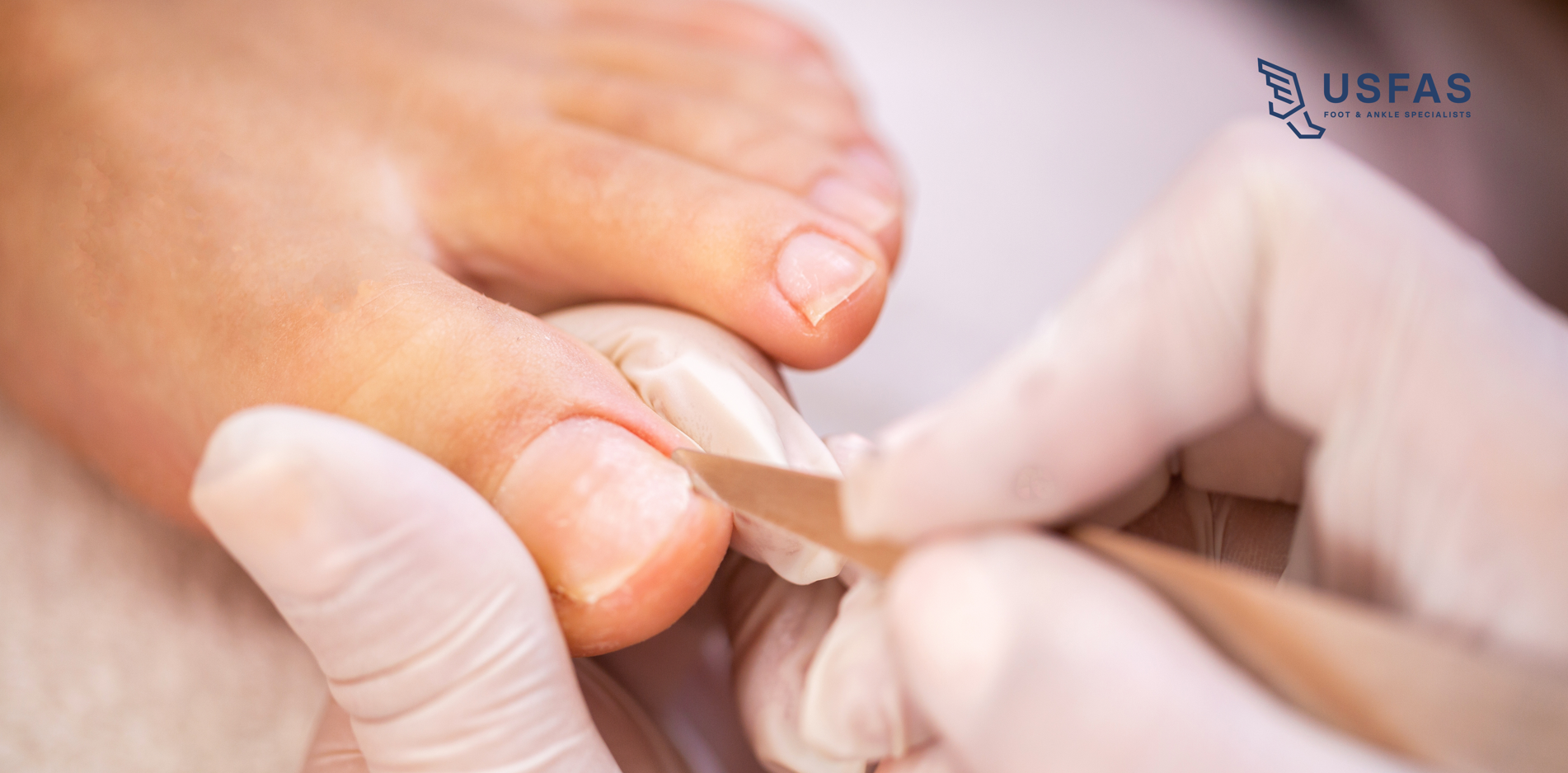
Ingrown toenails are a common foot condition that can start as a minor irritation and quickly become painful. Learn more about how we can help with ingrown toenails.
By VIV Builder February 19, 2026
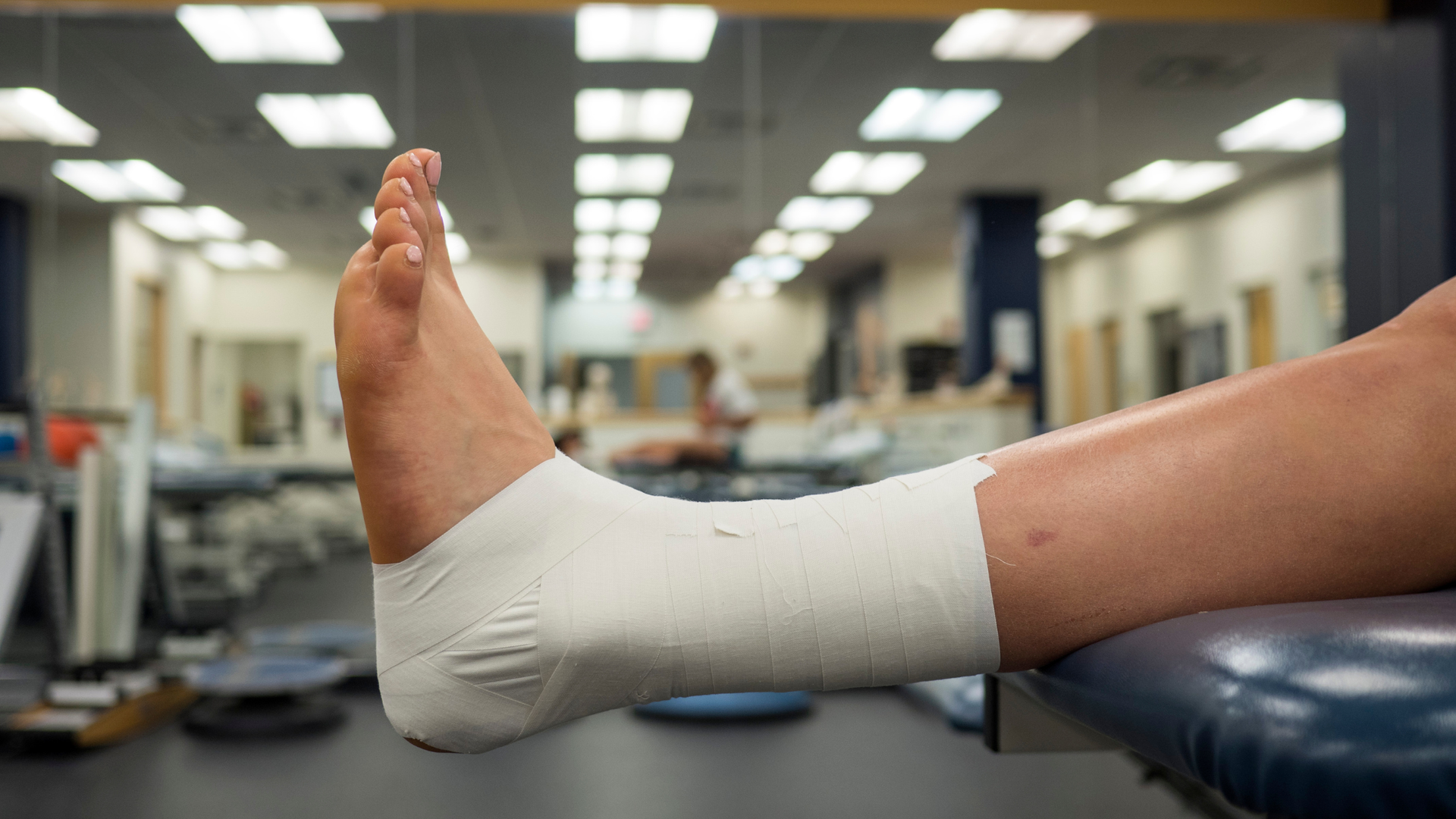
Ankle sprains are one of the most common foot and ankle injuries, yet they're often brushed off as no big deal. The truth is, even a mild sprain deserves proper care.
By VIV Builder February 5, 2026
Show Your Feet Some Love This February

By VIV Builder January 23, 2026
Understanding Podiatry Many people experience foot or ankle pain at some point, but they are not always sure where to turn for care. A podiatrist is a medical doctor who specializes in diagnosing and treating conditions of the foot and ankle. Their goal is to help patients move comfortably, stay active, and avoid pain that interferes with daily life. Podiatrists receive specialized medical training focused entirely on the feet and ankles. Because these areas support the entire body, even minor issues can have a big impact if left untreated. What Conditions Do Podiatrists Treat? Podiatrists treat a wide range of foot and ankle conditions for patients of all ages. From common concerns like heel pain and ingrown toenails to more complex issues such as sports injuries and diabetic foot conditions, podiatrists are trained to handle both routine and advanced care. They also address structural problems, skin and nail conditions, and injuries that affect mobility. By identifying the root cause of foot or ankle pain, podiatrists help patients find long-term relief rather than temporary fixes. When Should You See a Podiatrist? Foot pain is not something you have to live with. If you notice ongoing discomfort, changes in how you walk, or issues with your toenails or skin, it may be time to see a podiatrist. Early care can help prevent small problems from becoming more serious and can reduce recovery time. Patients with diabetes should also see a podiatrist regularly to help prevent complications and maintain foot health. What to Expect During Your Visit During a podiatry appointment, your provider will take time to understand your symptoms and lifestyle. They will examine your feet and ankles and may recommend imaging or other tests if needed. Based on their findings, they will create a personalized treatment plan tailored to your needs. Many podiatry treatments can be done in the office, allowing patients to return to normal activities quickly. Why Foot Health Matters Your feet play a major role in your overall health. Ongoing foot or ankle pain can lead to posture changes and strain on the knees, hips, and lower back. Proper foot care helps keep your entire body moving the way it should. Seeing a podiatrist is an important step in maintaining mobility and preventing future problems. Take the Next Step Toward Better Foot Health If foot or ankle pain is affecting your daily life, a podiatrist can help. With the right care and treatment, many conditions can be managed or resolved. Scheduling an appointment with a podiatrist is a simple step that can make a lasting difference in your comfort and mobility.
By VIV Builder January 9, 2026
A New Year Shouldn’t Start With Pain The beginning of a new year often comes with fresh goals—being more active, feeling healthier, and getting back to routines you enjoy. But heel pain can quickly get in the way. When every step hurts, even small tasks can feel frustrating.  Heel pain is one of the most common foot issues treated by podiatrists. Many people try to ignore it or hope it will go away on its own, but without proper care, heel pain often lingers or gets worse over time. Why Heel Pain Happens Heel pain can develop for several reasons, and it often builds gradually. One of the most common causes is plantar fasciitis, which occurs when the tissue supporting the arch of the foot becomes inflamed. Other causes may include strain on the Achilles tendon, wearing shoes without proper support, or spending long hours on your feet. Pain is often most noticeable in the morning or after long periods of rest. While it may ease as you move around, it tends to return and can worsen without treatment. Common Conditions Linked to Heel Pain While heel pain feels similar for many people, the underlying cause can vary. Some of the most common conditions include: Plantar fasciitis Heel spurs Achilles tendon irritation Overuse or repetitive strain injuries Identifying the exact cause is key to getting the right treatment and long-term relief. Why Early Treatment Matters Ignoring heel pain can lead to changes in the way you walk. Over time, this can place added stress on your ankles, knees, hips, and lower back. What starts as foot pain can turn into discomfort throughout your body. Seeing a podiatrist early can help prevent these issues and reduce recovery time. Most heel pain can be treated without surgery when addressed promptly. How a Podiatrist Can Help A podiatrist specializes in foot and ankle care and can create a treatment plan tailored to your needs. Treatment may include stretching exercises, custom orthotics, footwear guidance, or other therapies designed to reduce pain and inflammation. With the right approach, many patients begin to feel relief and regain mobility. Step Into the New Year With Confidence Heel pain does not have to define your year. With proper care and treatment, you can move more comfortably and get back to doing the things you enjoy. If heel pain is holding you back, schedule a visit with a podiatrist and take the first step toward a healthier, pain-free new year.
Orthotics
By VIV Builder July 17, 2025
Your feet are the foundation of your entire body — when they’re not properly supported, it can lead to pain not just in your feet, but in your ankles, knees, hips, and back, too. That’s where custom orthotics come in!  What Are Custom Orthotics? Custom orthotics are medical-grade shoe inserts that are specifically designed for your unique feet, gait, and needs. Unlike over-the-counter insoles, custom orthotics are crafted based on a detailed assessment by your podiatrist, ensuring the perfect fit and support for your lifestyle. Who Can Benefit from Custom Orthotics? Custom orthotics can help people with: ✅ Flat feet or high arches ✅ Plantar fasciitis or heel pain ✅ Bunions or hammertoes ✅ Arthritis ✅ Sports injuries ✅ Foot, ankle, knee, hip, or lower back pain caused by poor alignment How Do They Work? Custom orthotics work by redistributing pressure and correcting misalignments, which helps your feet function properly and comfortably. They can also help prevent future problems by providing the support you need with every step. Ready to Feel the Difference? If you’re experiencing foot or lower body pain, custom orthotics may be the solution you’ve been looking for. Schedule an appointment today and let our foot specialists help you step into lasting comfort and support!
A woman is walking down a path in a park.
By VIV Builder April 10, 2025
Your feet are the foundation of your body, supporting you with every step you take. We understand that maintaining foot health is crucial to your overall well-being and mobility. In honor of April being National Foot Health Awareness Month, this blog explores why foot health should never be overlooked and provides tips for keeping your feet healthy. Why Foot Health Matters The human foot is a complex structure of 26 bones, 33 joints, and over 100 muscles, tendons, and ligaments. This intricate design allows for movements such as walking, running, and jumping. However, it also means that many things can go wrong if not cared for properly. Poor foot health can lead to a range of issues from simple aches and pains to more severe conditions like plantar fasciitis or diabetic neuropathy. Moreover, problems in your feet can affect other parts of your body, including your knees, hips, and back. Tips for Maintaining Healthy Feet Regular Check-ups: Just like regular dentist visits, regular check-ups with a podiatrist, especially during National Foot Health Awareness Month, can help catch foot problems before they become serious. Proper Footwear: Wear shoes that fit well and provide good support. Different activities require different types of shoes – what you wear for running is not suitable for a day at work. Foot Hygiene: Wash your feet daily, dry them thoroughly to prevent infections, and change socks daily. Stay Active: Regular exercise helps keep your feet and body healthy. Remember to stretch your feet and ankles before and after workouts. Manage Your Weight: Extra weight puts additional pressure on your feet, increasing the risk of foot disorders. Common Foot Conditions and Treatments Plantar Fasciitis: Often felt as heel pain, treated with exercises, proper footwear, and sometimes orthotics. Bunions: Misaligned big toe joints that can become swollen and tender. Treatment options include wearing comfortable shoes, pads, and in severe cases, surgery. Diabetic Foot Care: People with diabetes need to take extra care of their feet as poor blood circulation and nerve damage can lead to serious foot problems. We believe in a proactive approach to foot health. Whether you're an athlete, a busy professional, or enjoying retirement, taking good care of your feet is a step toward a healthier life. Celebrate National Foot Health Awareness Month with us and schedule an appointment today to learn how you can better care for your feet and enhance your overall wellness.
A person is holding their foot in pain.
By VIV Builder April 25, 2018
A Hammertoe is a deformity of the toe that causes the middle joint to bend, resembling the shape of a hammer. If you have hammertoes, you should seek medical attention. The sooner you seek treatment, the likelier it is that the problem won't get worse. Dr. Raymond DiPretoro Jr. and Dr. Aahba M. Suchak at Advanced Foot and Ankle Center in Newark and Wilmington, DE, are your podiatrists for the treatment of hammertoes.  About Hammertoes Hammertoes are painful deformities of the toes, and often affect the middle three toes. Initially, hammertoes may be flexible, but over time, they may become rigid and require surgery to straighten the toes. Because hammertoes are progressive, they should receive early medical attention, as they won't get better without some kind of intervention. Causes of Hammertoes Some causes of hammertoe are poorly fitting shoes, high heels, foot injuries, and medical conditions that affect the nerves and muscles, such as diabetes and arthritis. Women are more likely to develop hammertoes than men. The risk of developing a hammertoe increases with age. Genetics can also play a role in hammertoes, Hammertoes may run in families. Hammertoes can be a serious problem for diabetics and people with poor circulation. Symptoms of Hammertoes Deformity is usually the first symptom of hammertoe. Patients with hammertoes may have calluses or corns on the top of the middle joint of the toes or on the tips of the toes. They may feel pain in their toes and have difficulty finding footwear that is comfortable. At first, they may be able to move and straighten the deformed toes. Over time, they will no longer be able to move the deformed toes. Hammertoe Treatments in Newark and Wilmington Padding and taping is the first step in a treatment plan. Padding and taping the hammertoe prominence relieves the stress and pain and allows the patient to continue a normal, active life. Cortisone injections and anti-inflammatory medications can be prescribed to relieve pain and inflammation caused by the deformity. Custom-fitted shoe inserts called orthotics made by your foot doctor may ease your discomfort and prevent the worsening of the deformity. When the hammertoe is not resolved with the above methods, surgery may be necessary. Don't let a hammertoe knock you off your feet. If you have hammertoes, call Advanced Foot and Ankle Center at 555-555-555 today to schedule a consultation in Newark and Wilmington, DE. Our hammertoe treatments will ease your pain and help you get back to a normal, happy, and healthy life.
Show More