

5 Benefits of Custom Orthotics for Foot Pain in 2026

July 21, 2026

Custom orthotics are medical-grade, prescription inserts designed to provide personalized support and correct biomechanical imbalances in your feet. Unlike mass-produced store-bought alternatives, these devices are crafted from a 3D mold of your foot to alleviate pain, improve alignment, and prevent complications like Plantar Fasciitis or ulcers.

What Are Custom Orthotics?

Custom orthotics are far more than just cushioned pads for your shoes; they are highly specialized medical devices prescribed by a podiatrist. While many people use the terms interchangeably with store-bought "arch supports" or "shoe inserts," there is a significant technical difference. Prescription orthotics are manufactured using advanced imaging and casting techniques to capture the exact structural nuances of your feet.

At Foot, Ankle, Vein & Wound, our specialists use these devices to treat a wide array of functional and structural issues. These include managing the height of your arches, redistributing weight away from sensitive pressure points, and controlling the way your foot moves through each step. Because they are constructed from durable, high-quality materials, they offer longevity and support that generic products simply cannot match. By addressing the root cause of your foot pain, they provide a long-term solution rather than a temporary cushion.

How Do Prescription Orthotics Differ From Store-Bought Inserts?

The primary difference lies in the level of customization and the clinical intent. Over-the-counter (OTC) inserts are designed for the "average" foot, meaning they provide generic cushioning and a standard arch shape. While they might provide mild comfort for someone with no underlying medical issues, they lack the structural integrity required to correct a medical condition.

In contrast, custom shoe inserts are built to match your unique foot morphology. We take into account your weight, your activity level, and your specific symptoms. For example, if you suffer from Flat Feet , a generic insert might actually collapse under your weight or provide support in the wrong area, potentially worsening your pain. Custom devices are rigid or semi-rigid in exactly the right places to ensure your foot maintains a healthy alignment. Furthermore, custom options last for years with proper care, whereas foam or gel OTC inserts often lose their shape and effectiveness within a few months.

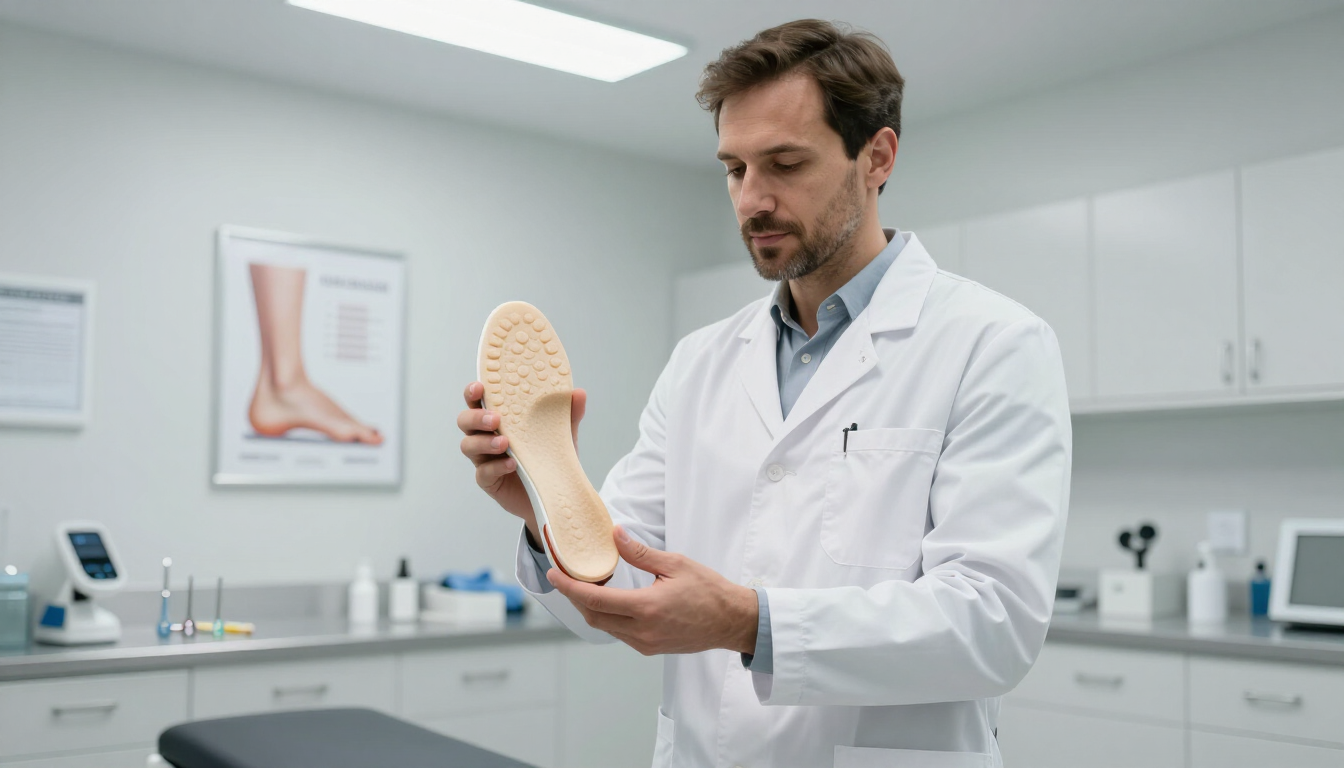
photorealistic high quality medical custom orthotics being inspected by a podiatrist in a modern clinic

The Science of Biomechanical Alignment

Your feet are the foundation of your entire body. When your foot hits the ground, it undergoes a complex series of movements known as the gait cycle. If your feet are not properly aligned—due to overpronation (rolling inward) or supination (rolling outward)—the misalignment creates a chain reaction through your ankles, knees, hips, and lower back.

Corrective orthotics function by realigning these foundational structures. By ensuring that your feet are in a neutral position, these devices reduce the strain on the kinetic chain. This is why many patients find that wearing foot supports helps resolve chronic knee pain or lower back stiffness. When your foundation is stable, the rest of your skeletal structure can function with significantly less effort and wear and tear. This biomechanical correction is essential for preventing long-term degenerative issues like Arthritis .

Can Custom Foot Supports Relieve Chronic Heel Pain?

Yes, one of the most common reasons patients seek custom orthotics is for the treatment of chronic Heel Pain . Conditions like plantar fasciitis and Heel Spurs are frequently caused by excessive strain on the thick band of tissue that runs along the bottom of the foot. When the arch is unsupported, the plantar fascia stretches beyond its capacity, causing micro-tears and inflammation.

By using orthotic inserts that are specifically contoured to your arch, we can significantly reduce the tension on the plantar fascia. These devices provide a stable platform that prevents the arch from collapsing during the walking cycle. This allowing the inflamed tissues to heal while providing the patient with immediate relief from the stabbing pain often felt during those first few steps in the morning. For those who stand for long hours or participate in high-impact activities, this support is vital for maintaining mobility and preventing the condition from becoming a chronic disability.

Common Foot Conditions Treated by Orthotics

Beyond heel pain, several other conditions benefit immensely from the use of custom-fitted devices. At Foot, Ankle, Vein & Wound, we often prescribe them for:

  • Bunions : While orthotics cannot "cure" a bunion, they can slow its progression by correcting the biomechanical issues that cause the big toe joint to shift out of place.
  • Hammertoes : By stabilizing the foot, these devices reduce the muscle imbalances that lead to toe curling and discomfort.
  • Neuromas : Orthotics can be built with specific "metatarsal pads" that spread the bones in the ball of the foot, relieving pressure on pinched nerves.
  • Achilles Tendonitis : By slightly elevating the heel or controlling rear-foot motion, they reduce the load on the Achilles tendon.
  • Shin Splints : For athletes, orthotics can prevent the excessive rotation of the lower leg that leads to shin pain.
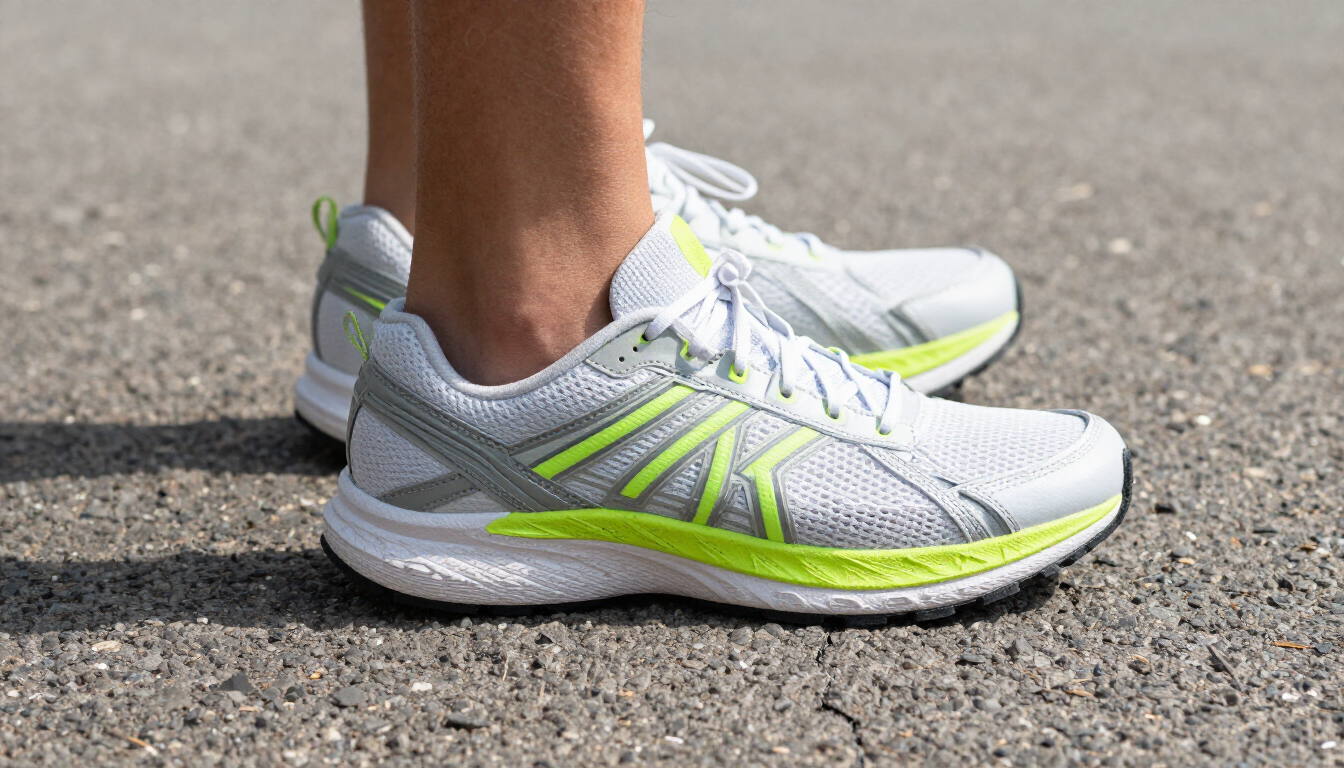
photorealistic image of a person running with a focus on their high quality athletic shoes and proper alignment

Why Should Athletes Use Custom Shoe Inserts?

Athletes put extraordinary demands on their lower extremities, often subjecting their feet to forces several times their body weight. Whether you are a runner, a basketball player, or a weekend hiker, your feet need to absorb shock and provide propulsion efficiently.

Custom orthotics for athletes are usually designed with specific materials that balance shock absorption with energy return. If you have a history of Ankle Sprains or other Sports Injuries , a custom device can provide the lateral stability needed to prevent future trauma. Furthermore, because they are tailored to your specific activity, they can be made thinner for tight-fitting cycling shoes or more robust for heavy-duty hiking boots. This customization ensures that your performance is enhanced while your risk of overuse injuries is minimized.

The Role of Custom Orthotics in Diabetic Care

For patients living with diabetes, foot care is a matter of limb preservation. Diabetes can lead to neuropathy (loss of sensation) and poor circulation, making the feet highly susceptible to injuries that the patient may not even feel. This is where Diabetic Foot Care becomes critical.

Custom shoe inserts for diabetic patients are specifically designed to "offload" pressure. By creating a total-contact surface that perfectly matches the bottom of the foot, we can eliminate the high-pressure spots that often lead to Leg & Foot Ulcers . These orthotics are typically made from softer, multi-density materials that protect the skin from friction and shear forces. Combined with our Diabetic Shoe Program , custom orthotics are one of the most effective tools we have to prevent serious infections and amputations in the diabetic population.

How Is the Fabrication Process Conducted?

The journey to better foot health begins with a comprehensive clinical evaluation at one of our Locations . Our podiatrists don’t just look at your feet; we perform a detailed gait analysis and biomechanical exam. We look at how your ankles move, the strength of your muscles, and the wear patterns on your current shoes.

Once we determine that you are a candidate for orthotics, we take a precise 3D scan or physical impression of your feet while they are held in their most functional position. This data is then sent to a specialized laboratory where technicians create your foot supports according to our exact prescription. This ensures that every curve, tilt, and wedge in the orthotic is calculated to provide you with the maximum medical benefit. When your devices arrive, we hold a fitting session to ensure they work perfectly with your footwear and provide the comfort you expect.

Top 5 Reasons to Choose Custom Foot Supports

  1. Personalized Medical Solution : They are tailored to your unique anatomy and medical history, ensuring targeted treatment for your specific pain points.
  2. Long-Term Durability : Made from high-quality polymers or graphite, custom devices often last 3-5 years, making them more cost-effective than frequent OTC replacements.
  3. Whole-Body Benefits : By realigning the foundation, they alleviate stress on the ankles, knees, and back, improving overall posture.
  4. Injury Prevention : They help prevent common overuse injuries and the progression of deformities like bunions and hammertoes.
  5. Enhanced Mobility : By reducing pain and fatigue, custom orthotics allow you to stay active, whether for work, sports, or daily activities.

Summary of Orthotic Benefits

In conclusion, custom orthotics represent a vital investment in your long-term health and mobility. While the initial cost may be higher than store-bought options, the medical benefits—ranging from the correction of biomechanical issues to the prevention of diabetic complications—are unparalleled. These devices provide the precision required to alleviate chronic pain and protect your joints from the wear and tear of daily life.

If you are struggling with persistent foot, leg, or back pain, a professional evaluation is the first step toward relief. Our team of board-certified podiatrists at Foot, Ankle, Vein & Wound is ready to help you find the perfect fit. To take the next step in your foot health journey, Contact us today to schedule an appointment at one of our convenient Locations in Virginia and West Virginia. Your feet deserve the best support possible.

A person applying sunscreen to their feet at the beach.
June 18, 2026
Stay pain-free this summer! Discover essential summer foot care tips, from preventing fungal infections to choosing the right footwear for hot weather and travel.

Modern podiatry examination room for a new patient appointment.
April 30, 2026
Learn what happens during your first podiatry appointment, from medical history reviews to physical exams and treatment plans. Prepare for your visit with our expert guide.

Senior couple walking comfortably with supportive footwear and custom orthotics.
April 17, 2026
Learn how to choose the best footwear for seniors and discover the clinical benefits of custom orthotics for improving stability and reducing foot pain.
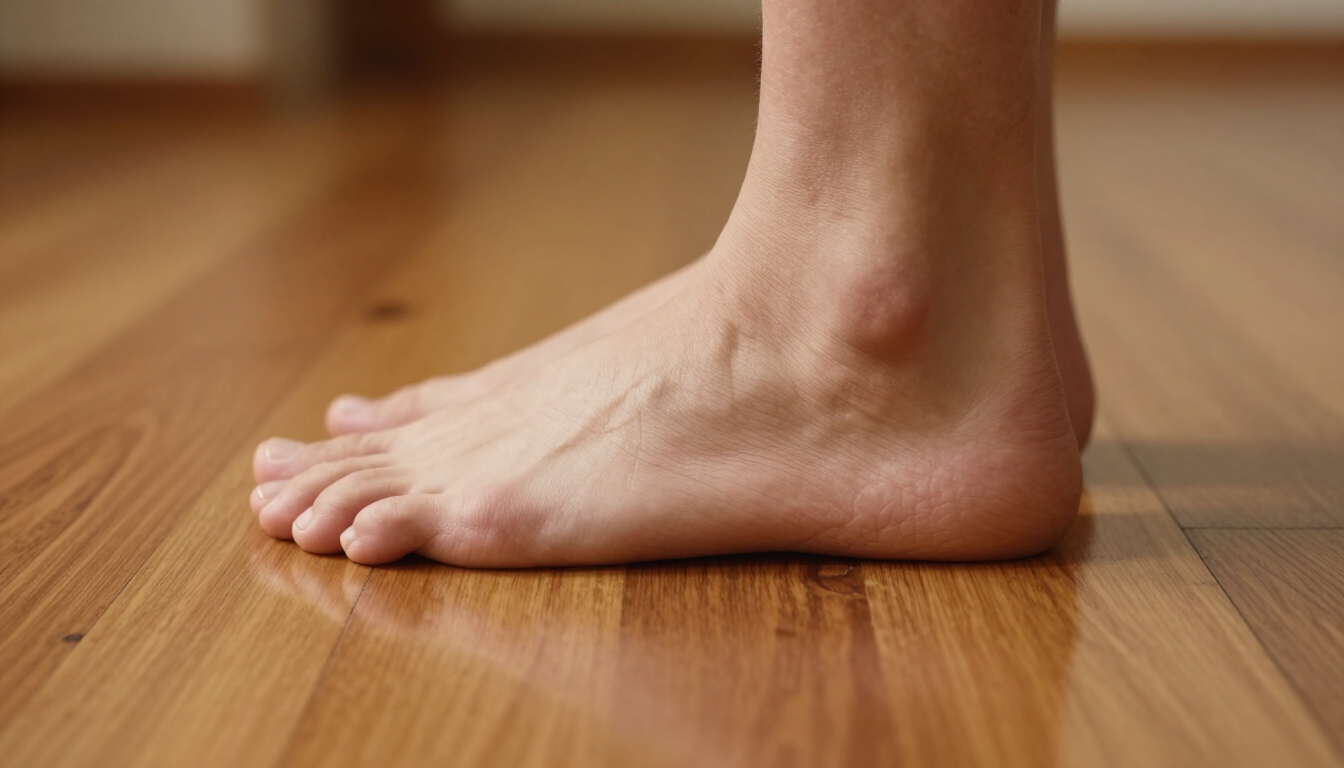
A close up of a foot showing the heel area where pain occurs.
By Austin Hoffman April 13, 2026
Discover the leading causes of heel pain and 5 effective ways to find relief. Learn about plantar fasciitis, heel spurs, and professional podiatry treatments available in Virginia and West Virginia.

By VIV Builder April 9, 2026
Stay active and pain-free this Foot Health Awareness Month. Learn about heel pain, orthotics, diabetic foot care, and sports injury treatment options.

By VIV Builder April 1, 2026
Achilles tendonitis can develop gradually, causing heel pain and stiffness that worsens over time. Learn the warning signs and how a podiatrist can help you get back on your feet.
By VIV Builder March 5, 2026
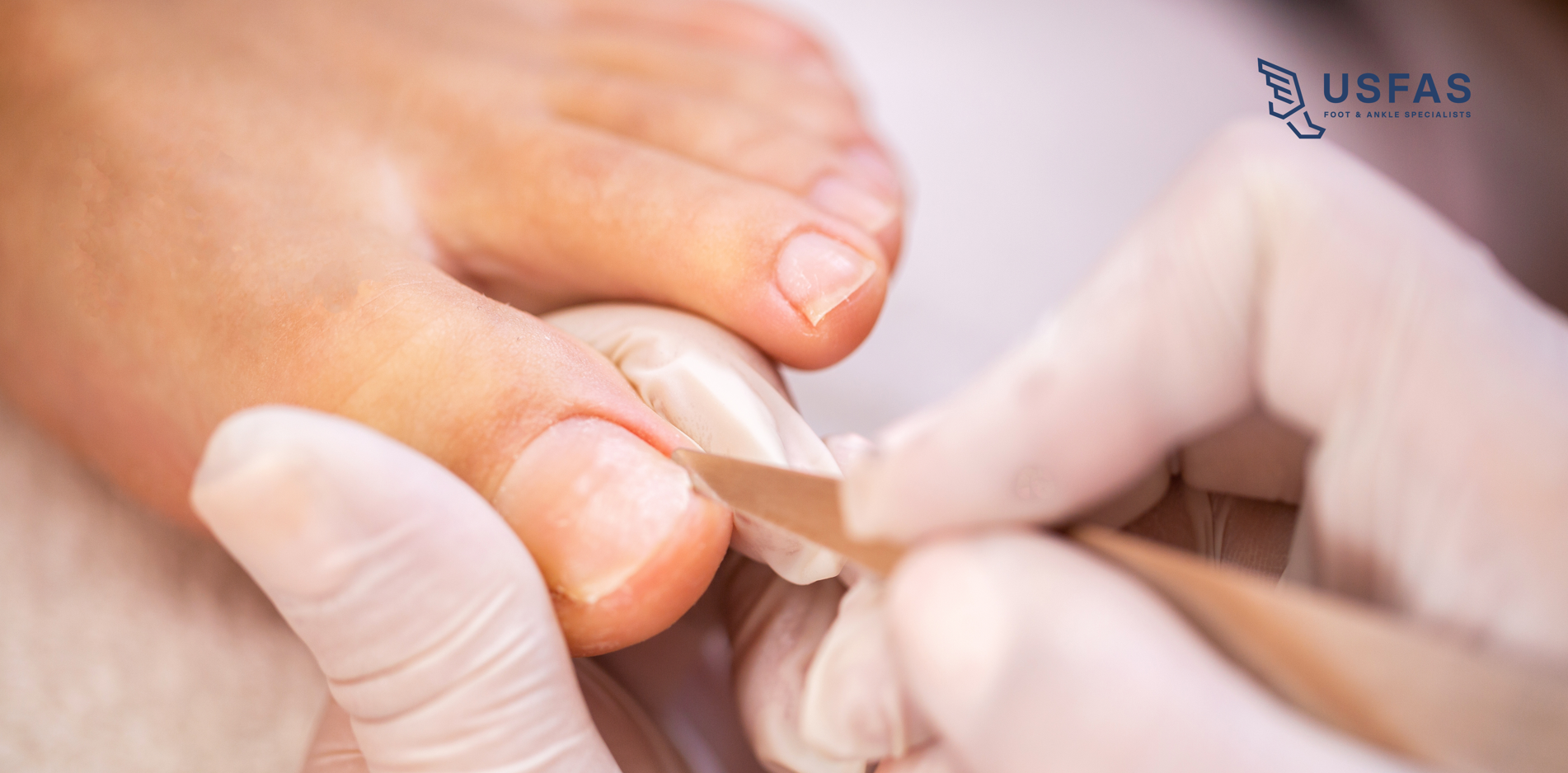
Ingrown toenails are a common foot condition that can start as a minor irritation and quickly become painful. Learn more about how we can help with ingrown toenails.
By VIV Builder February 19, 2026
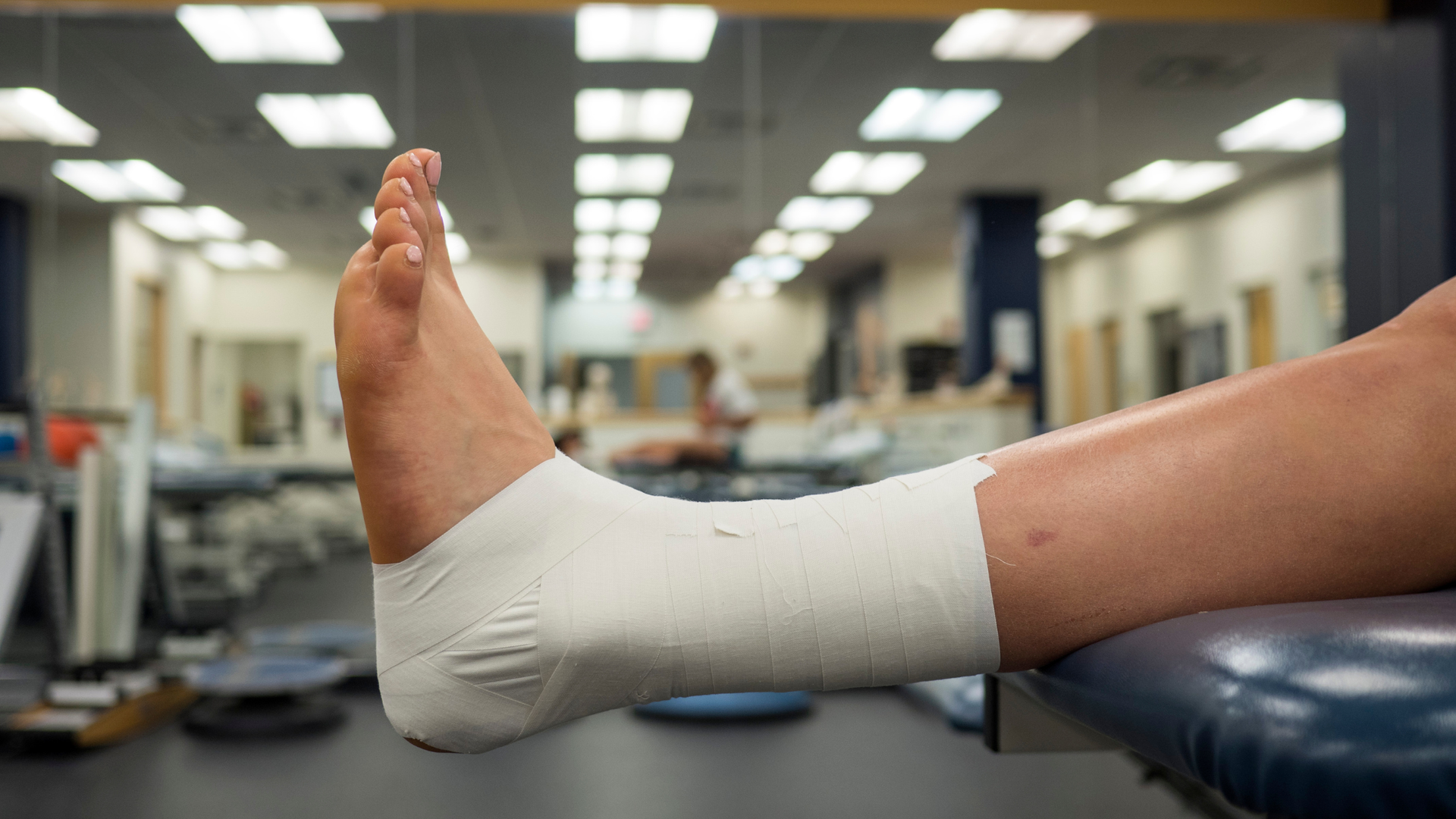
Ankle sprains are one of the most common foot and ankle injuries, yet they're often brushed off as no big deal. The truth is, even a mild sprain deserves proper care.
By VIV Builder February 5, 2026
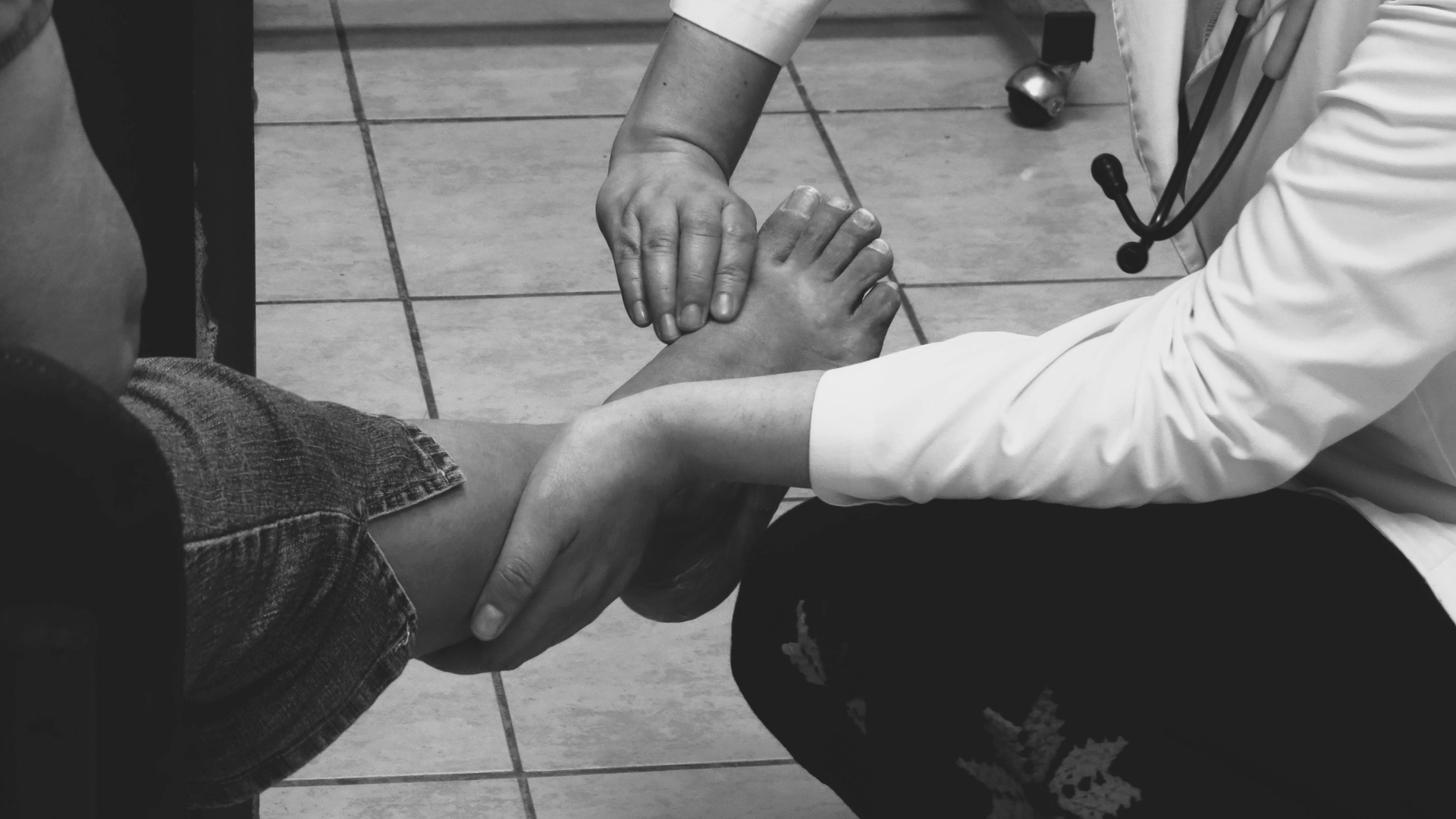
Show Your Feet Some Love This February
By VIV Builder January 23, 2026
Understanding Podiatry Many people experience foot or ankle pain at some point, but they are not always sure where to turn for care. A podiatrist is a medical doctor who specializes in diagnosing and treating conditions of the foot and ankle. Their goal is to help patients move comfortably, stay active, and avoid pain that interferes with daily life. Podiatrists receive specialized medical training focused entirely on the feet and ankles. Because these areas support the entire body, even minor issues can have a big impact if left untreated. What Conditions Do Podiatrists Treat? Podiatrists treat a wide range of foot and ankle conditions for patients of all ages. From common concerns like heel pain and ingrown toenails to more complex issues such as sports injuries and diabetic foot conditions, podiatrists are trained to handle both routine and advanced care. They also address structural problems, skin and nail conditions, and injuries that affect mobility. By identifying the root cause of foot or ankle pain, podiatrists help patients find long-term relief rather than temporary fixes. When Should You See a Podiatrist? Foot pain is not something you have to live with. If you notice ongoing discomfort, changes in how you walk, or issues with your toenails or skin, it may be time to see a podiatrist. Early care can help prevent small problems from becoming more serious and can reduce recovery time. Patients with diabetes should also see a podiatrist regularly to help prevent complications and maintain foot health. What to Expect During Your Visit During a podiatry appointment, your provider will take time to understand your symptoms and lifestyle. They will examine your feet and ankles and may recommend imaging or other tests if needed. Based on their findings, they will create a personalized treatment plan tailored to your needs. Many podiatry treatments can be done in the office, allowing patients to return to normal activities quickly. Why Foot Health Matters Your feet play a major role in your overall health. Ongoing foot or ankle pain can lead to posture changes and strain on the knees, hips, and lower back. Proper foot care helps keep your entire body moving the way it should. Seeing a podiatrist is an important step in maintaining mobility and preventing future problems. Take the Next Step Toward Better Foot Health If foot or ankle pain is affecting your daily life, a podiatrist can help. With the right care and treatment, many conditions can be managed or resolved. Scheduling an appointment with a podiatrist is a simple step that can make a lasting difference in your comfort and mobility.
Show More